Rutan VariViggen: The Birth of the Canard Revolution
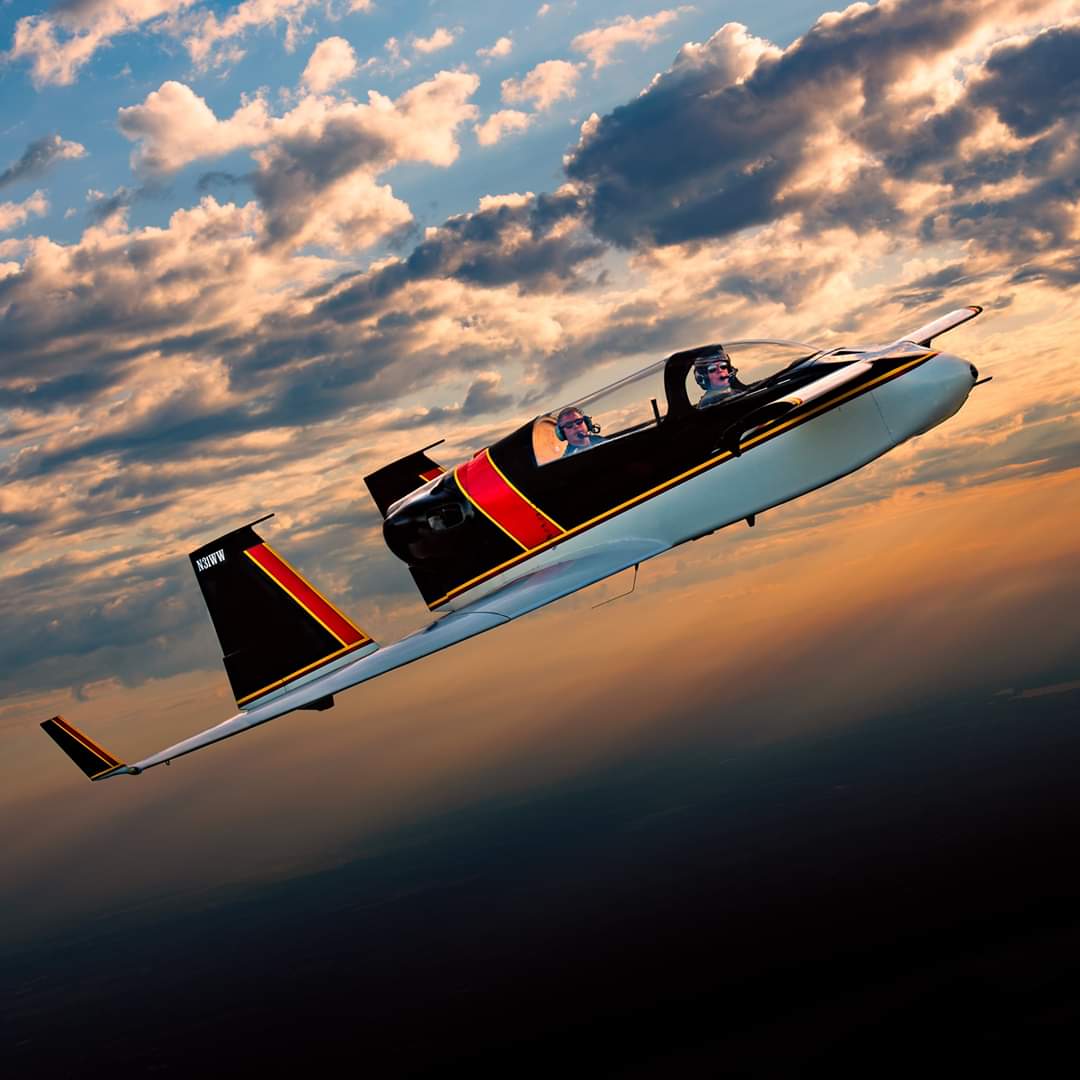
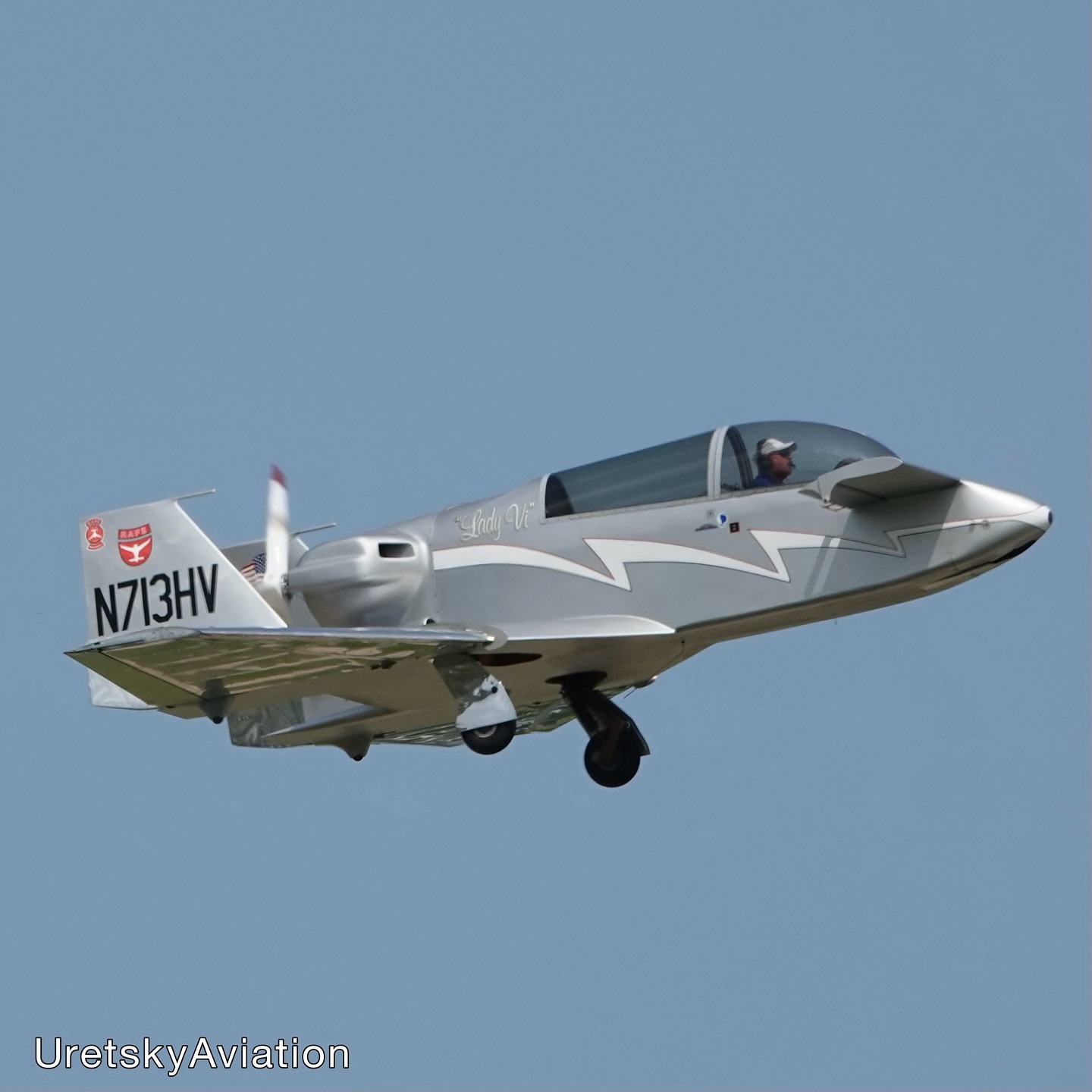
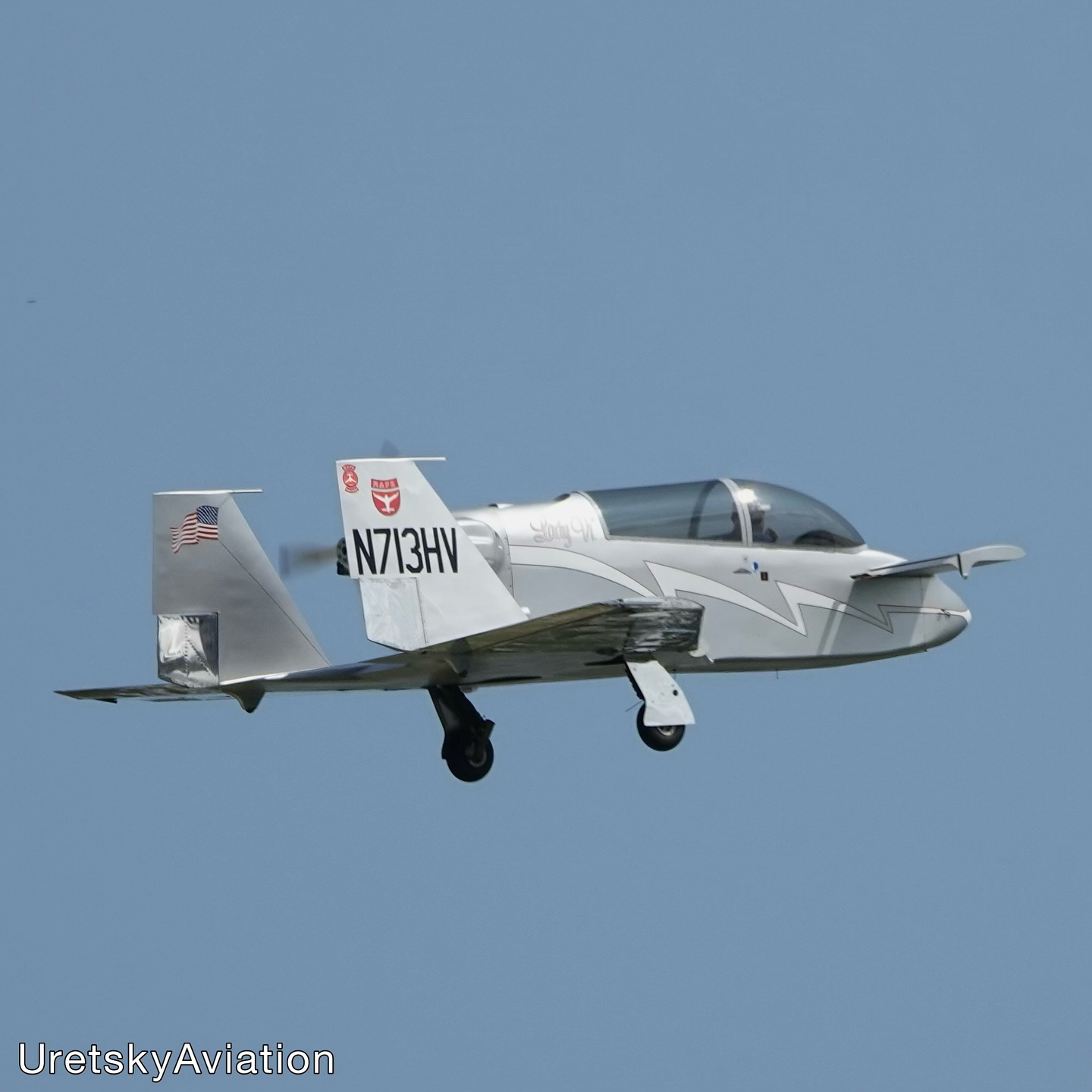
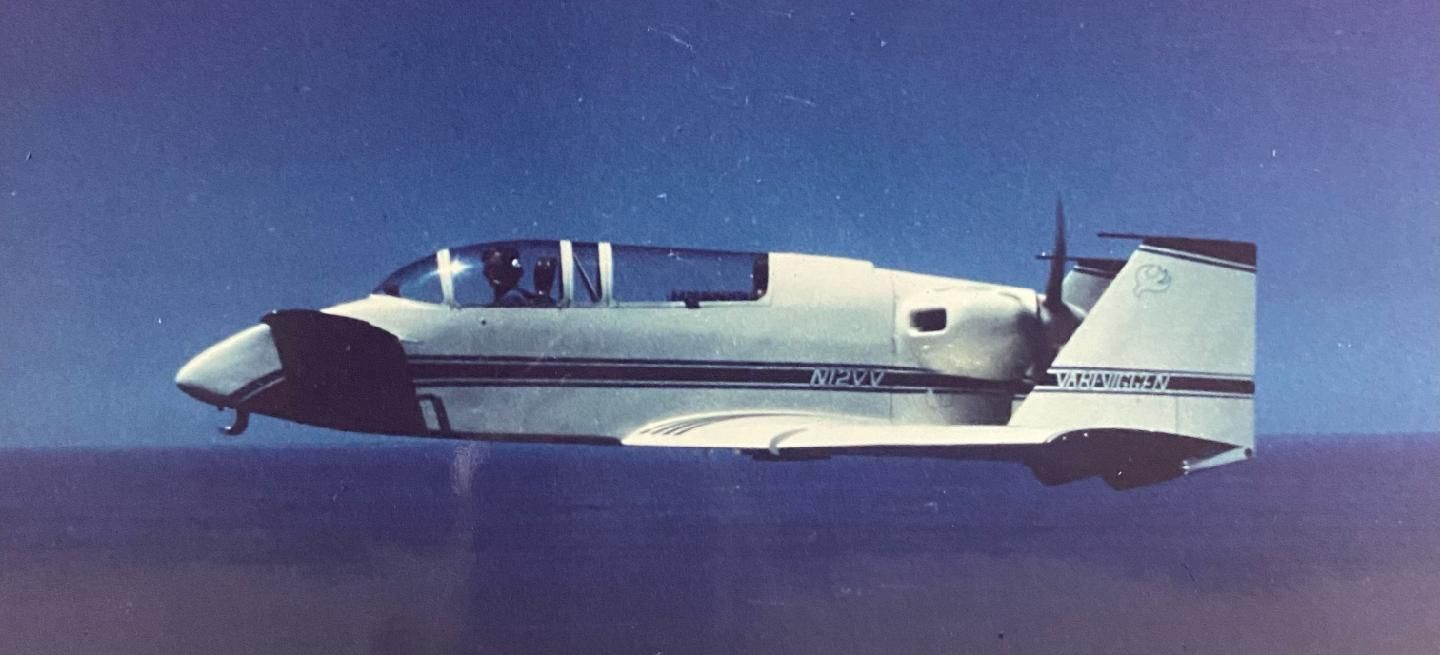
The VariViggen is not just an airplane; it is a piece of aviation history that looks like it flew straight out of a sci-fi movie. Designed in the late 1960s by a young Burt Rutan, this was the plane that proved “radical” could also be “functional.” Inspired by the Swedish Saab 37 Viggen fighter jet, it challenged every convention of aircraft design. If the Tailwind is about efficiency and the KR-1 is about size, the VariViggen is about pure, visionary innovation.
Why Is It a Legend?
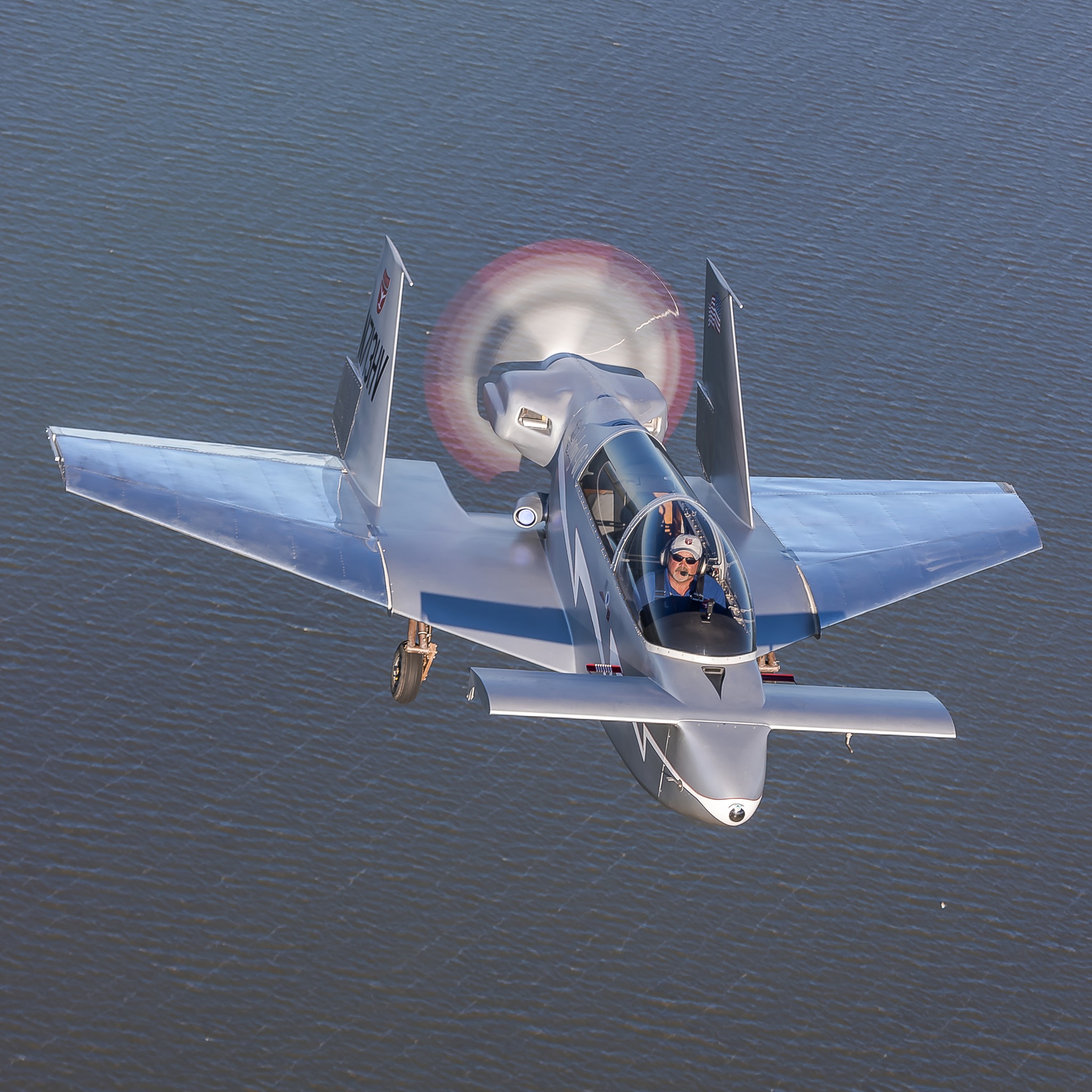
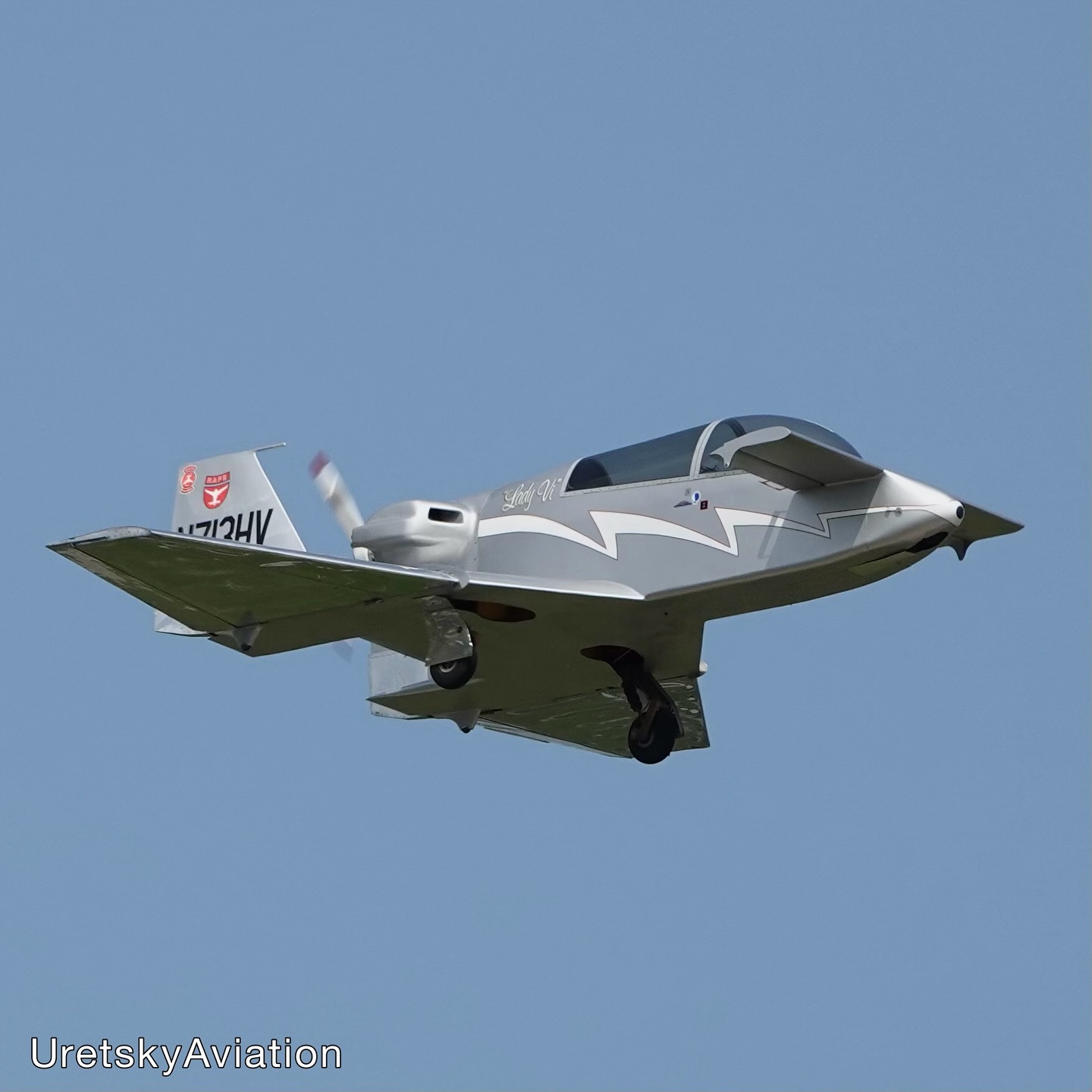
The Canard Pioneer: Before the VariViggen, “canard” (tail-first) aircraft were rare curiosities. Rutan proved that putting the small wing in the front and the big wing in the back made an airplane virtually stall-proof. In a VariViggen, if you fly too slow, the front wing loses lift first, dropping the nose automatically to regain speed. It is one of the safest aerodynamic configurations ever devised.
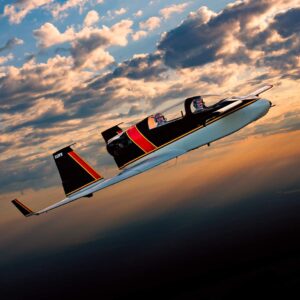
A “Wood” Fighter Jet: While Burt Rutan later became the king of composite (fiberglass) aircraft, the VariViggen was actually built primarily from spruce and plywood. It used a sophisticated “delta wing” planform and a pusher engine configuration, giving the pilot a fighter-pilot view through the canopy with no engine or propeller blocking the sightline.
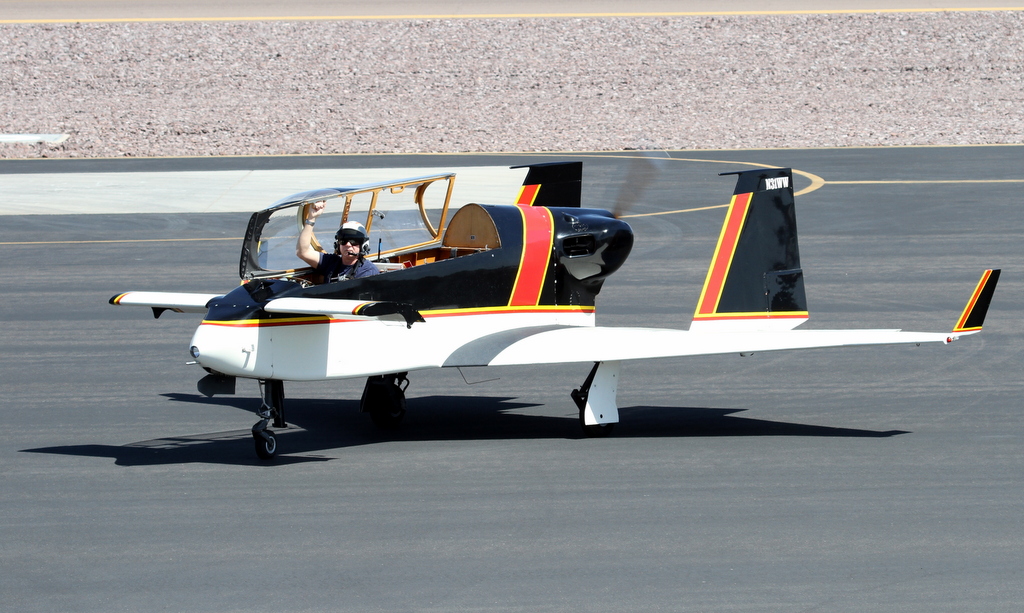
The Ultimate Tandem Experience: The VariViggen features a tandem (one-behind-the-other) seating arrangement. This makes the fuselage narrow and aerodynamic, giving it the feel of a military interceptor rather than a cramped general aviation trainer. It even featured a retractable nose wheel and optional retractable main gear to further clean up the airframe.
The Foundation of an Empire: This aircraft was the “Alpha” of the Rutan family. The lessons learned here led directly to the VariEze, the Long-EZ, and eventually Voyager (the first plane to fly non-stop around the world). To own or build a VariViggen is to own the DNA of modern aerospace engineering.
Performance and Key Numbers
The VariViggen was designed for stability, safety, and a unique flying experience rather than raw racing speed. It is a highly maneuverable “sport” aircraft.
General Specifications:
-
Crew: 1 pilot and 1 passenger (Tandem)
-
Wingspan: 19 ft (5.8 m)
-
Length: 19 ft (5.8 m)
-
Wing Area: 119 sq ft (11 m²)
-
Empty Weight: 1,020 lbs (463 kg)
-
Max Takeoff Weight: 1,700 lbs (771 kg)
-
Useful Load: Approx. 680 lbs (308 kg)
-
Typical Engine: Lycoming O-320 (150 hp)
Performance:
-
Top Speed: 165 mph (265 km/h)
-
Cruise Speed: 140 – 150 mph (225 – 240 km/h)
-
Stall Speed: 50 mph (80 km/h) — Note: The main wing never truly stalls.
-
Rate of Climb: 1,000 – 1,200 ft/min (5 – 6 m/s)
-
Takeoff Distance: 800 ft (244 m)
-
Range: 400 miles (645 km)
-
Fuel Consumption: 7 – 9 gallons per hour (26 – 34 L/h)
In short, the Rutan VariViggen is the thinking man’s sportplane. It is for the pilot who wants to stand out at every fly-in and fly a machine that is as safe as it is visually stunning. It remains a testament to Burt Rutan’s genius: a wooden airplane that looked like the future 50 years ago, and still looks like the future today.
Reviews
There are no reviews yet.