
Yves Millien’s Motopou: The Quintessential French Ultralight
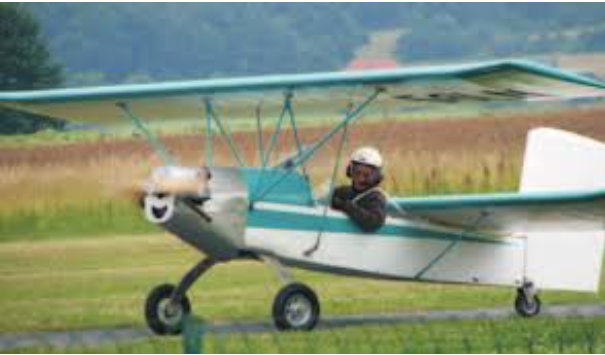
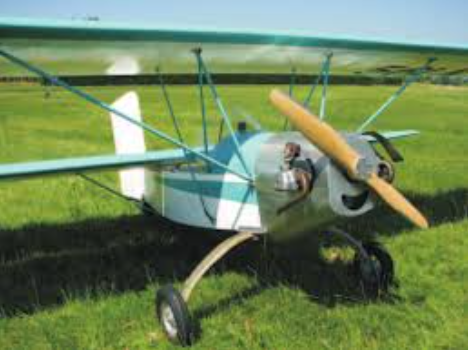
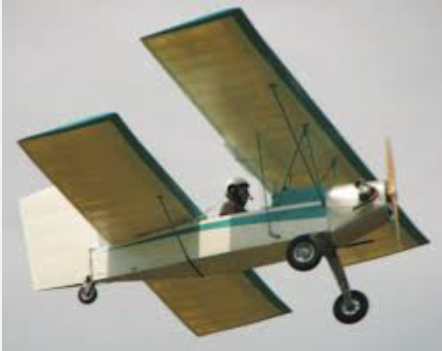
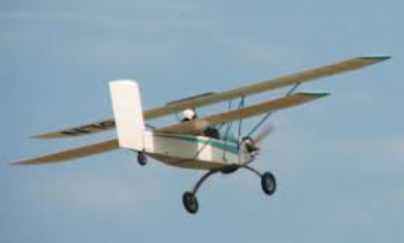
Born in 1981 at the dawn of the ultralight revolution in France, Yves Millien’s Motopou is not an airplane made from a motorcycle, but a brilliant and calculated adaptation of the Flying Flea formula to meet the exciting new U.L.M. (Ultra-Léger Motorisé) regulations. It is an engineer’s answer to the question: “How do we make the safe and reliable HM-290 a legal, cheap, and easy-to-build ultralight for the modern amateur?”
Why Is It So Special (According to the Original Design)?
-
Optimized for the Ultralight Category: Millien’s design is an engineering exercise to fit within weight and power limits. He increases the wing area (to 13.5 or even 15 m²) not to fly slower, but to comply with regulations and safely carry heavier engines and pilots.
-
Simplified and Economical Construction: The design promotes the use of outdoor-quality CTBX plywood, which is three times cheaper than certified aviation-grade material. The fuselage is a simple box structure, and the wings use an inexpensive method of wooden slat truss ribs.
-
Cost-Saving Engineering: Its genius lies in the details. The engine doesn’t use a complex welded mount; it’s bolted to a simple 8mm duralumin plate, which in turn is mounted on hardwood cross members. The landing gear is an elegant and cheap laminated wood-leaf spring. Zero welding, minimum cost.
-
Focus on Lightweight Two-Stroke Engines: Millien was a clear advocate for two-stroke engines. He acknowledged their higher fuel consumption but argued that their incredibly low power-to-weight ratio (less than 1 kg per hp) was essential to stay within the ultralight category and ensure a good, safe climb rate.
Performance and Key Numbers (Yves Millien’s Design Parameters)
The article focuses on the design parameters for building the aircraft rather than tested performance figures. These are the key specifications of the concept:
General Specifications:
-
Based on: Mignet HM-290
-
Crew: 1 pilot (with the possibility of a light two-seater if the weight is kept down)
-
Target Empty Weight: 135 kg (297 lbs) with a light two-stroke engine
-
Front Wingspan: 6 m (19’7″) or 6.35 m (20’9″) for the larger wing version
-
Front Wing Chord: 120 cm (47″) or 140 cm (55″)
-
Wing Area: 13.5 m² (145 sq ft) or 15 m² (161 sq ft)
-
Airfoil: NACA 23112
-
Recommended Powerplant: Lightweight two-stroke engines (weighing less than 35 kg / 77 lbs). Four-stroke engines like the Citroën were discouraged as being too heavy.
Performance (Estimated):
-
The design’s primary goal is to have a very short take-off and a good rate of climb to clear obstacles, taking advantage of the low wing loading and the power of two-stroke engines. Specific cruise or stall speeds are not given, but they would be similar to other Mignet-formula ultralights of equivalent size and weight.
In summary, Yves Millien’s Motopou is an intelligent, pragmatic, and purely functional design. It is the embodiment of the original ultralight spirit: using Mignet’s proven safety formula and adapting it with ingenuity to fly with more freedom, at low cost, and within the new regulations of the era.
Reviews
There are no reviews yet.