
Mignet HM-290 Flying Flea: The Anti-Stall Airplane
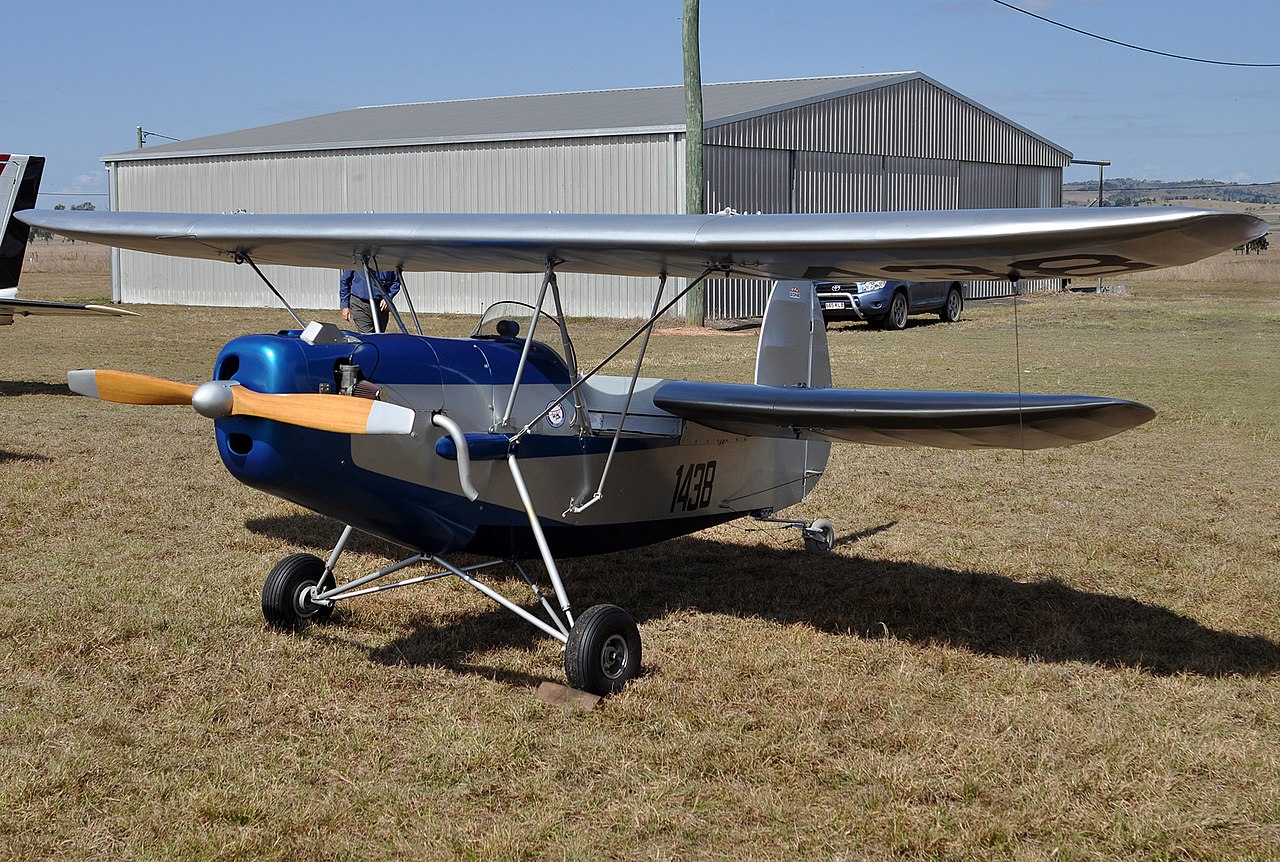
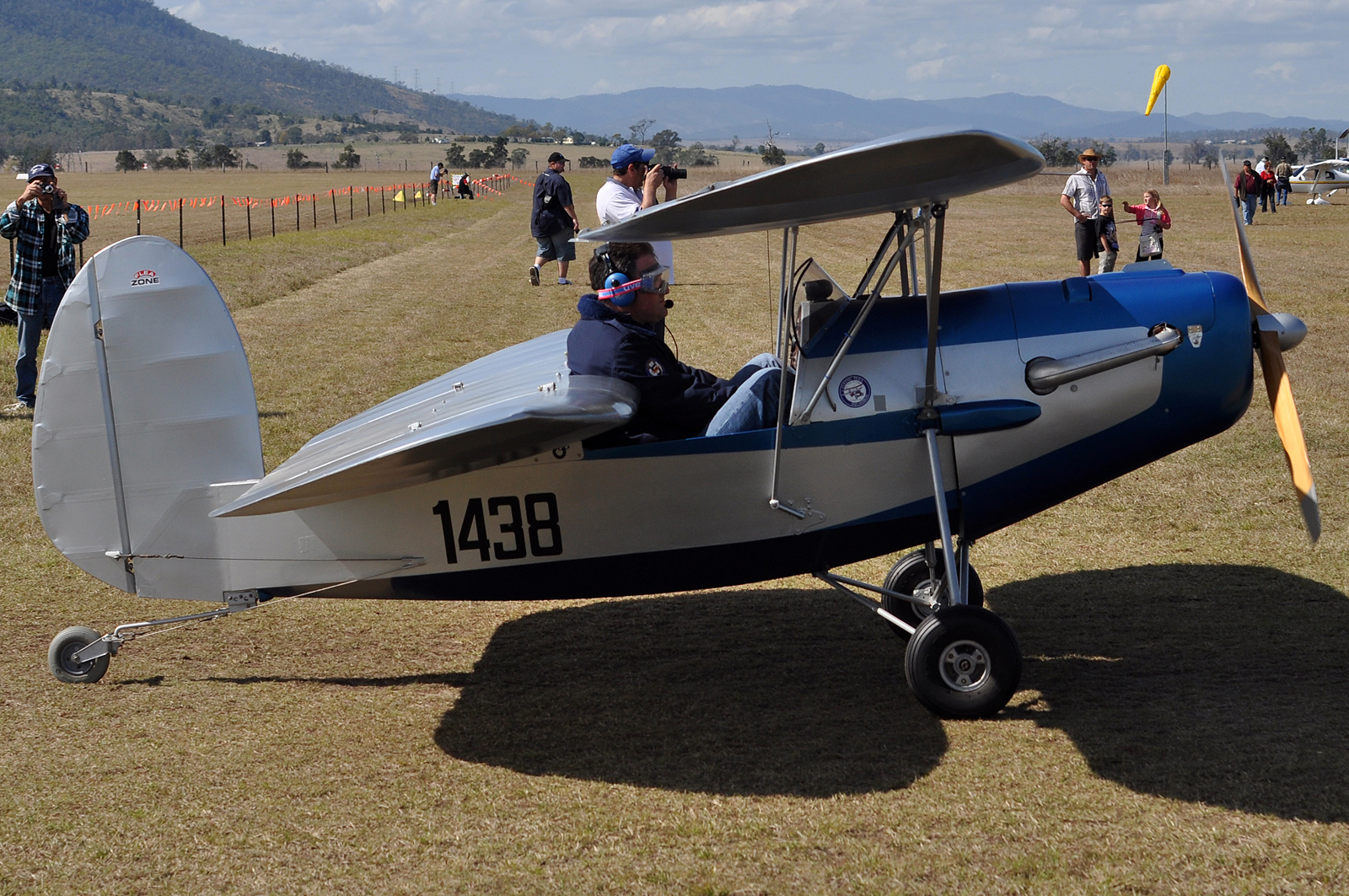
The Mignet HM-290, known worldwide as the “Pou du Ciel” (Louse of the Sky) or “Flying Flea,” is more than an airplane; it’s a flight philosophy. Designed by Frenchman Henri Mignet in the 1930s, its goal was to create an aircraft that was impossible to stall or spin, the two greatest dangers for pilots of that era. It is a machine designed from the ground up for maximum safety and simplicity, sacrificing everything else in the process.
Why Is It So Radically Different?
-
Tandem Wings (One in Front of the Other): It doesn’t have a traditional wing-and-tail configuration. Instead, it has two similarly sized wings. The key is that the pilot doesn’t control ailerons; they control the tilt of the entire front wing. To climb, you tilt the wing up (increasing lift); to descend, you tilt it down.
-
Impossible to Stall: This design is a stroke of safety genius. If the pilot pulls back too far on the stick, the front wing stalls first. This automatically causes the nose to drop, regain airspeed, and start flying again. It’s impossible to hold the aircraft in a stalled condition that could lead to a spin.
-
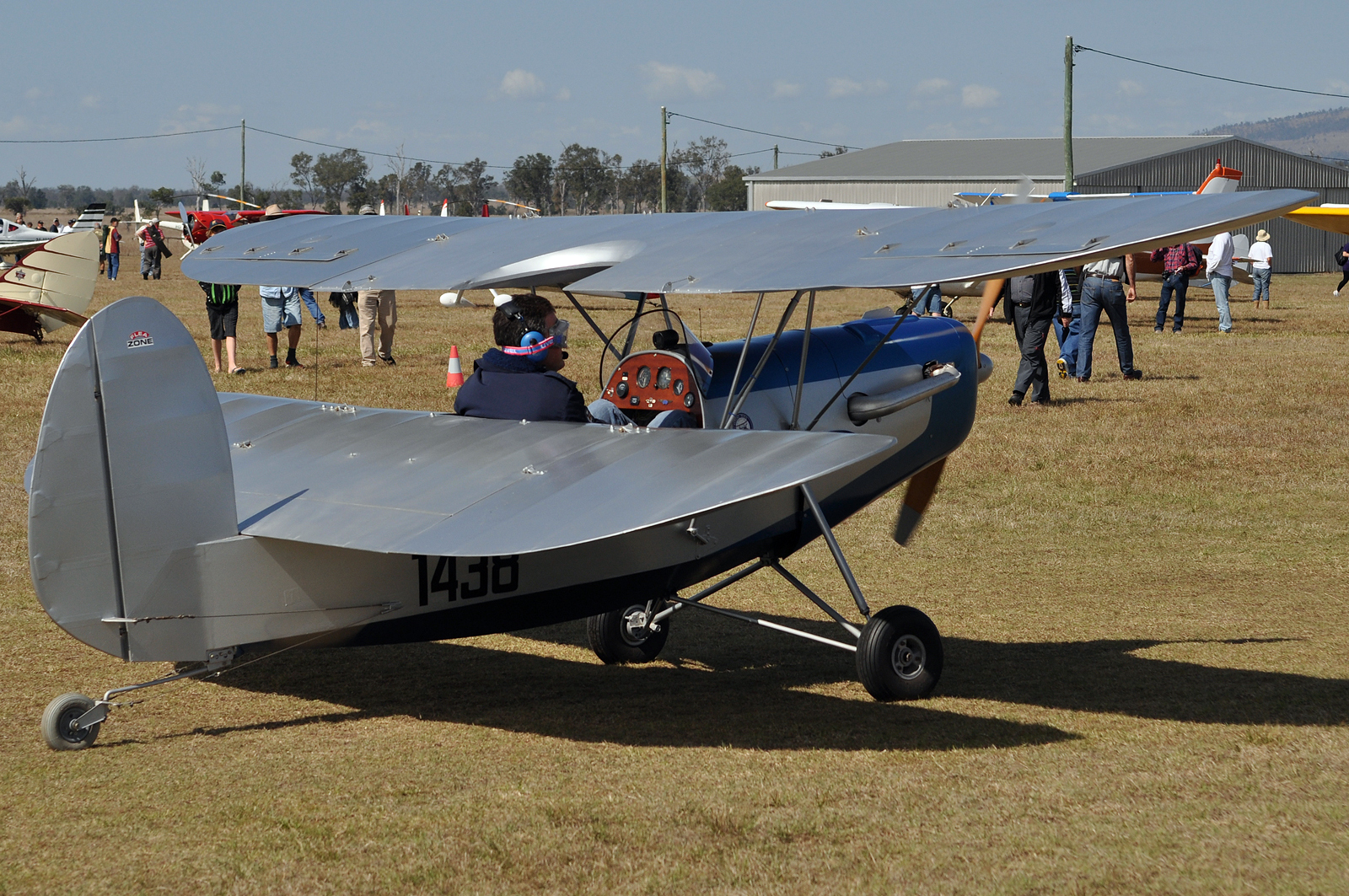
Two-Axis Control (No Rudder Pedals): Mignet eliminated the pedals. The aircraft is controlled entirely with the stick:
-
Fore/Aft: Controls pitch (climb/descend) by moving the front wing.
-
Left/Right: Controls the rudder for yaw (turning).
It’s an incredibly intuitive system, almost like a video game.
-
-
Built for Beginners: Mignet’s original book, “The Sport of the Air,” was a detailed guide so that anyone, with basic woodworking tools, could build their own plane at home from wood and fabric.
Performance and Key Numbers
The Flying Flea isn’t built to be fast or efficient but to be safe and easy to fly. Its numbers reflect this philosophy.
General Specifications (Typical variants like the HM-290/293):
-
Crew: 1 pilot
-
Front Wingspan: 19.7 ft (6 m)
-
Rear Wingspan: 13.1 ft (4 m)
-
Length: 14.4 ft (4.4 m)
-
Total Wing Area: Approx. 130 sq ft (12 m²)
-
Empty Weight: 350 – 440 lbs (160 – 200 kg), depending on the engine
-
Max Takeoff Weight: 600 – 700 lbs (270 – 320 kg)
-
Typical Engine Power: 25 – 65 hp (engines like the Poinsard, Salmson, air-cooled VW, or modern Rotax)
Performance:
-
Maximum Speed: 75 – 80 mph (120 – 130 km/h)
-
Cruise Speed: 60 – 65 mph (95 – 100 km/h)
-
Minimum Flying Speed (Not a true stall): 30 mph (50 km/h). The aircraft simply begins a controlled descent.
-
Rate of Climb: 400 – 600 ft/min (2 – 3 m/s)
-
Takeoff Distance: 250 – 330 ft (75 – 100 m)
-
Landing Distance: 200 ft (60 m)
-
Fuel Consumption: Very low, typically 2 – 3 gallons per hour
In summary, the Flying Flea is not a conventional airplane. It is a unique, incredibly safe machine with an unmatched historical character. It’s the perfect choice for the builder who values safety above all else and wants to own a living piece of popular aviation history.
Reviews
There are no reviews yet.