
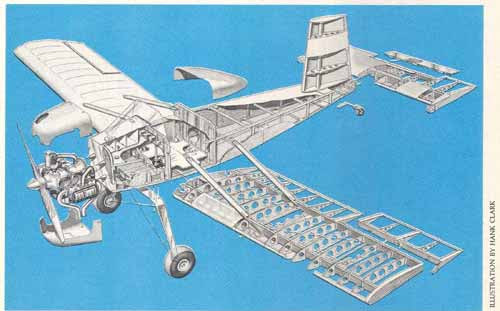
VP-2 Volksplane: The “People’s” Two-Seater
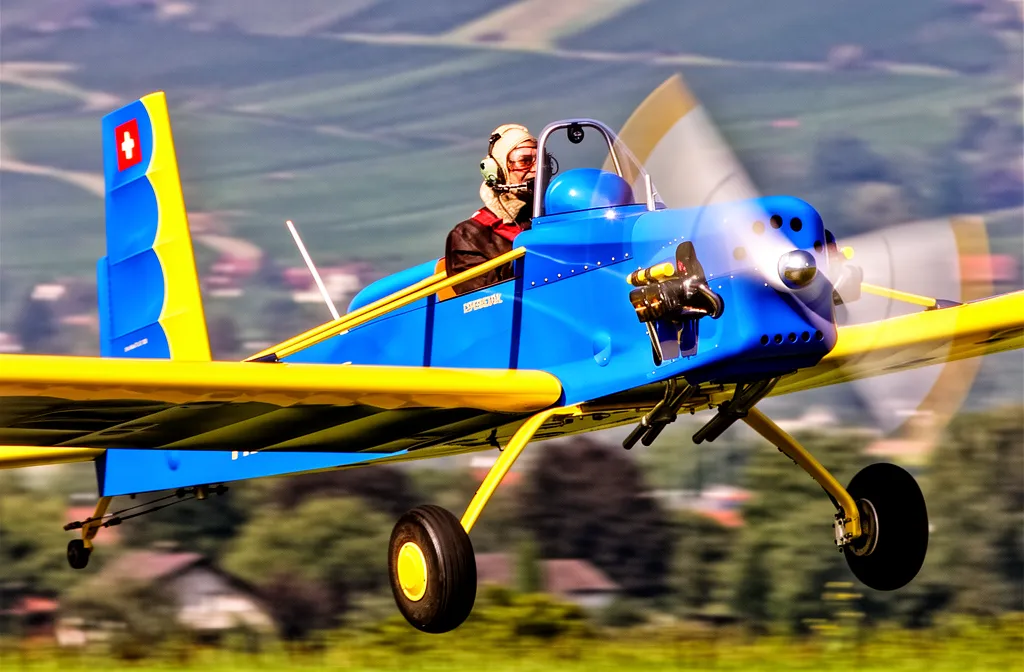
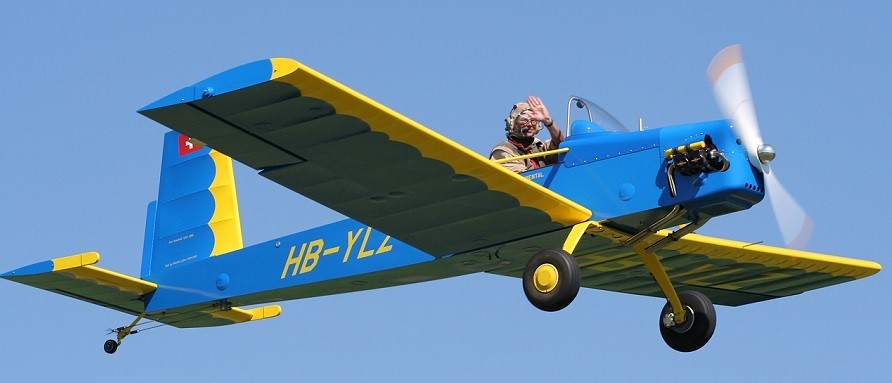
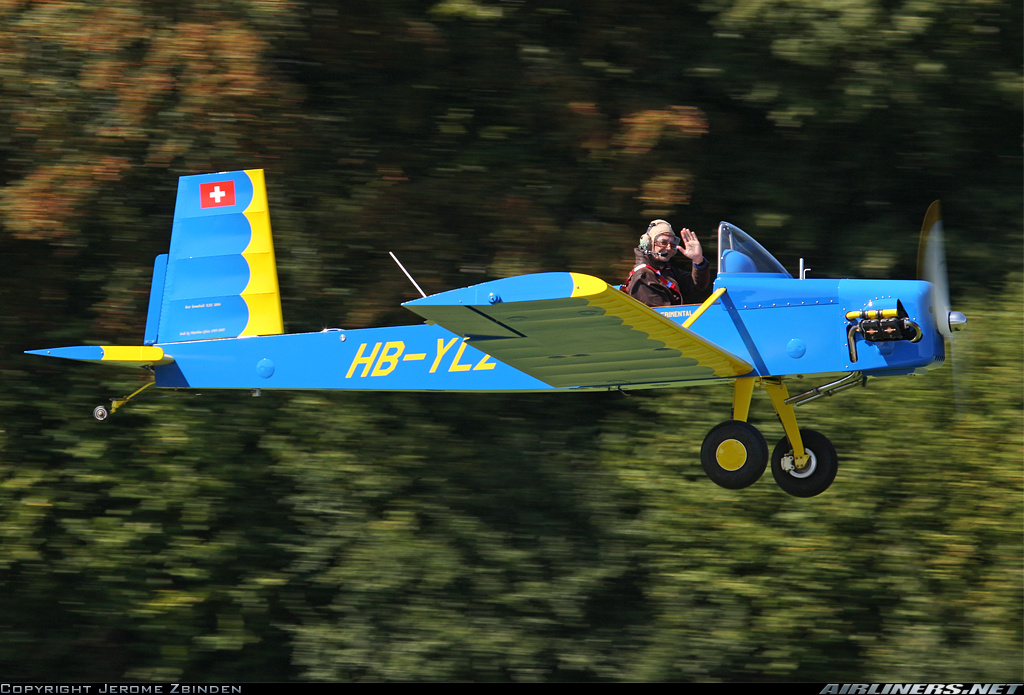
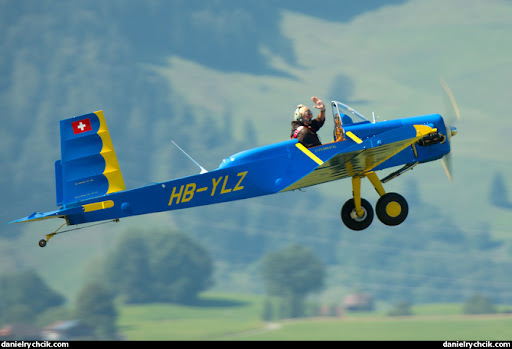
The VP-2 is not just an experimental aircraft; it is a declaration of independence for the budget-conscious pilot. Designed by Bud Evans as the two-seat successor to the legendary VP-1, this aircraft was engineered with a singular goal: to get two people into the air as cheaply and simply as possible. If the Sky Pup is the “hardware store” plane, the VP-2 is the “lumber yard” legend. It is a rugged, wooden workhorse designed for the everyman.
Why Is It a Legend?
The “Shoebox” Philosophy: The VP-2’s fuselage is essentially a plywood box. There are no complex curves, no difficult fiberglass molds, and no specialized aeronautical metalwork. Its design is so straightforward that it has been joked that if you can build a quality set of kitchen cabinets, you have all the skills necessary to build a Volksplane.
Volkswagen Powered: As the name suggests, the VP-2 was designed to be powered by the ubiquitous Volkswagen Beetle engine. This choice was revolutionary: it meant that instead of buying a $20,000 certified aero-engine, a builder could go to a junkyard, grab a VW flat-four, and have a reliable, easily maintainable powerplant for a fraction of the cost.
Indestructible Simplicity: While many ultralights feel fragile, the VP-2 is built like a tank. Its all-wood structure (spruce or pine and birch plywood) is incredibly robust. With its low-wing design and braced struts, it offers a “big plane” feel and stability that is rare in the world of homebuilt budget flyers.
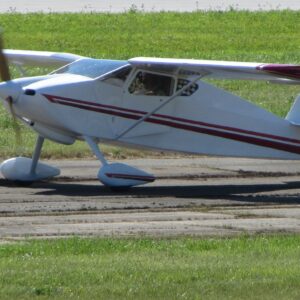
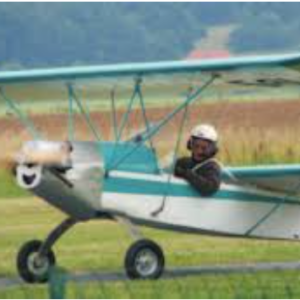
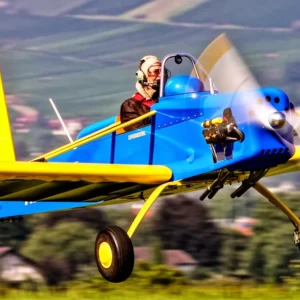
Pure, Grassroots Aviation: Flying a VP-2 is aviation in its most honest form. Whether flown with an open or closed cockpit, it provides a stable, forgiving platform for local sight-seeing. It’s not about getting to a destination quickly; it’s about the joy of being in the air with a friend in a machine you built yourself.
Performance and Key Numbers
The VP-2 is built for stability and ease of handling rather than high-speed cross-country travel. It is a “low and slow” champion.
General Specifications:
-
Crew: 1 pilot and 1 passenger (Side-by-side)
-
Wingspan: 27 ft (8.23 m)
-
Length: 19 ft 3 in (5.87 m)
-
Wing Area: 130 sq ft (12.1 m²)
-
Empty Weight: 480 lbs (218 kg)
-
Max Takeoff Weight: 940 lbs (426 kg)
-
Useful Load: Approx. 460 lbs (208 kg)
-
Typical Engine: 1600cc to 2100cc Volkswagen (60 – 80 hp)
Performance:
-
Cruise Speed: 75 mph (120 km/h)
-
Stall Speed: 40 mph (64 km/h)
-
Never Exceed Speed (VNE): 120 mph (193 km/h)
-
Rate of Climb: 400 – 600 ft/min (2 – 3 m/s)
-
Takeoff Distance: 450 ft (137 m)
-
Fuel Consumption: 3 – 4 gallons per hour (11 – 15 L/h)
-
Service Ceiling: 10,000 ft
In short, the VP-2 Volksplane is the ultimate project for the builder who values sawdust over high-tech composites. It remains one of the most successful homebuilt designs in history because it refuses to be complicated. If you want a reliable, two-seat airplane that you can maintain with a basic socket set and a bit of wood glue, the Volksplane is your ticket to the sky.
Reviews
There are no reviews yet.