
Rutan Defiant: The Centerline Thrust Twin That Challenged the Rules
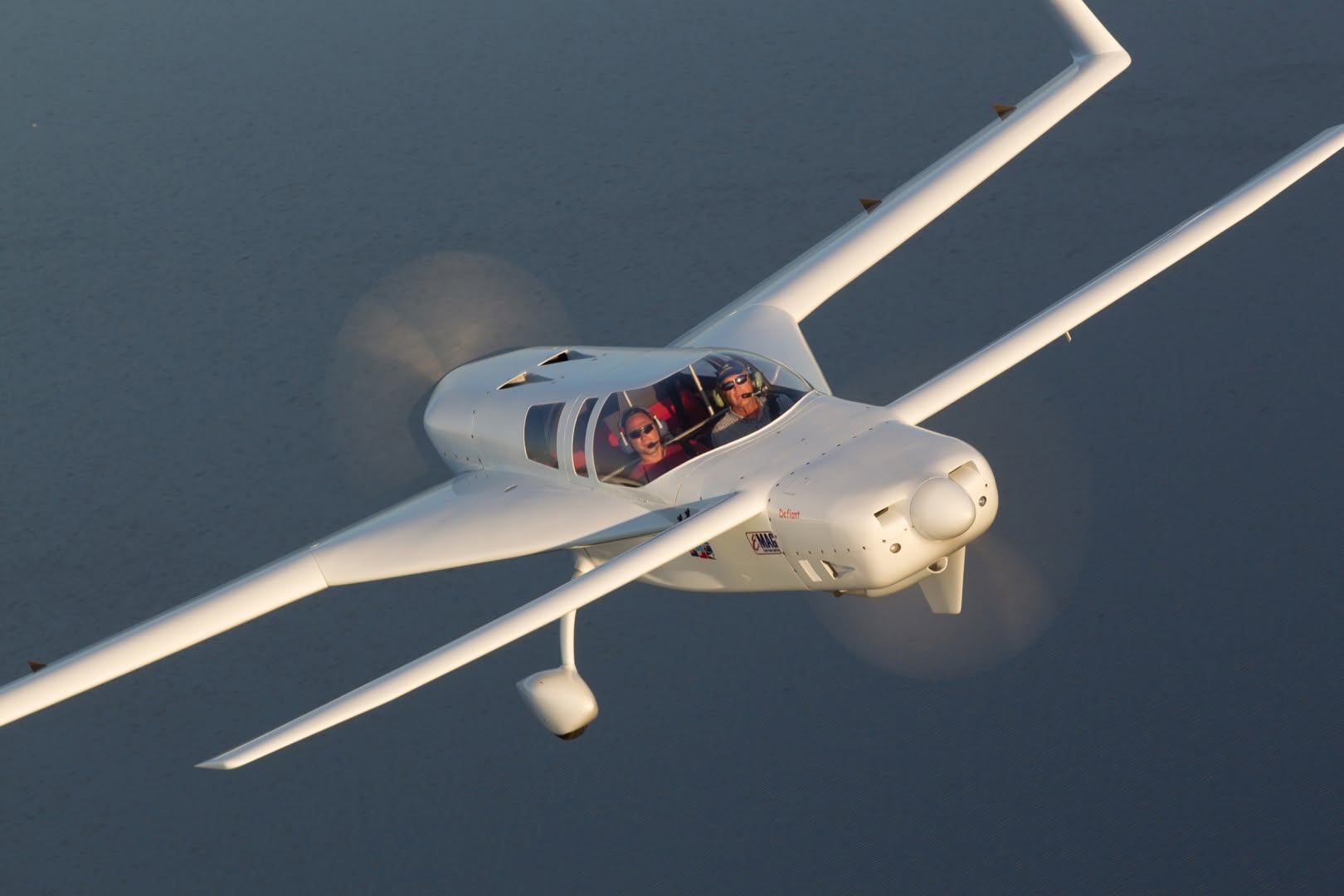
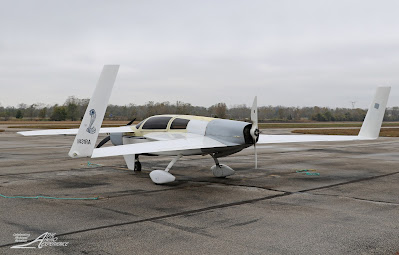
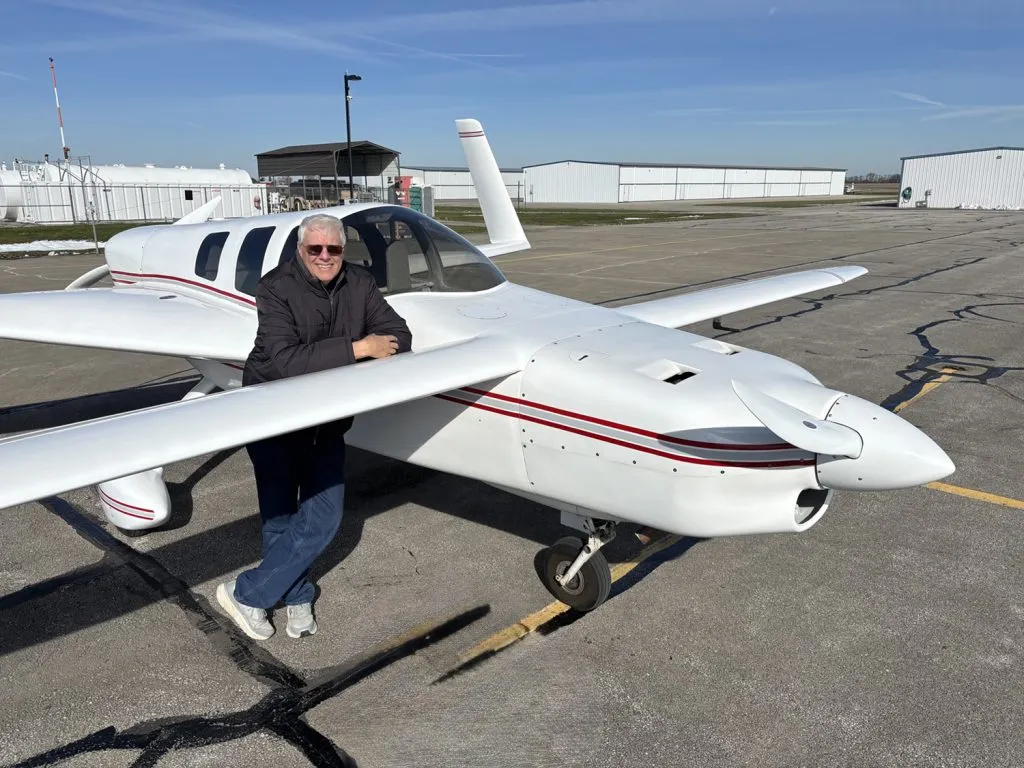
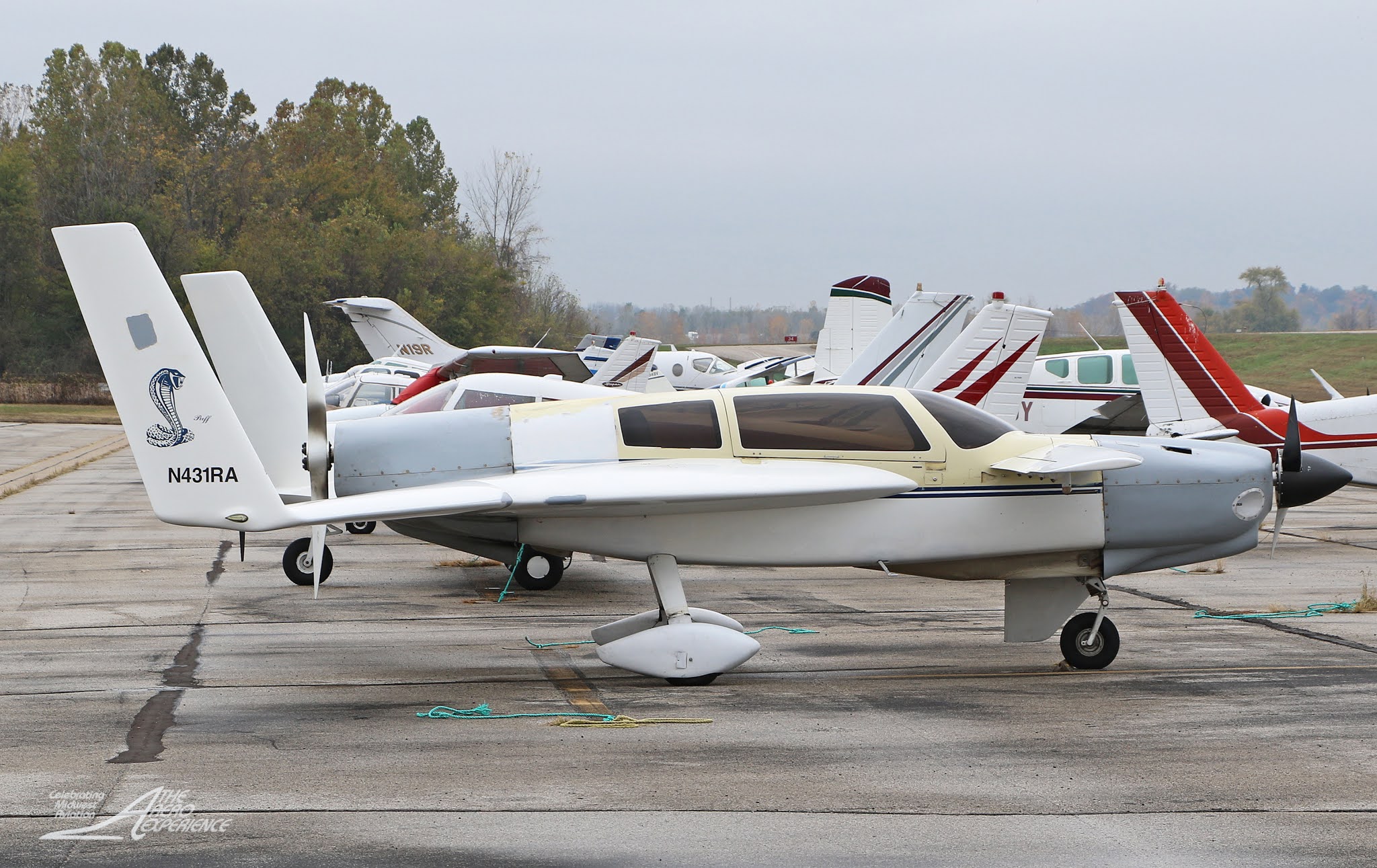
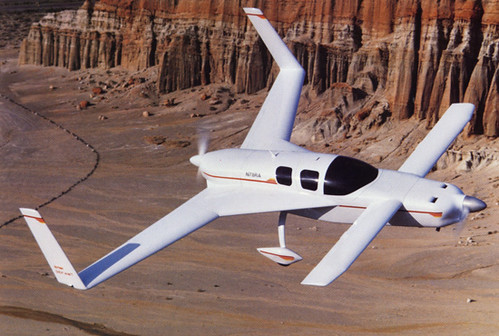
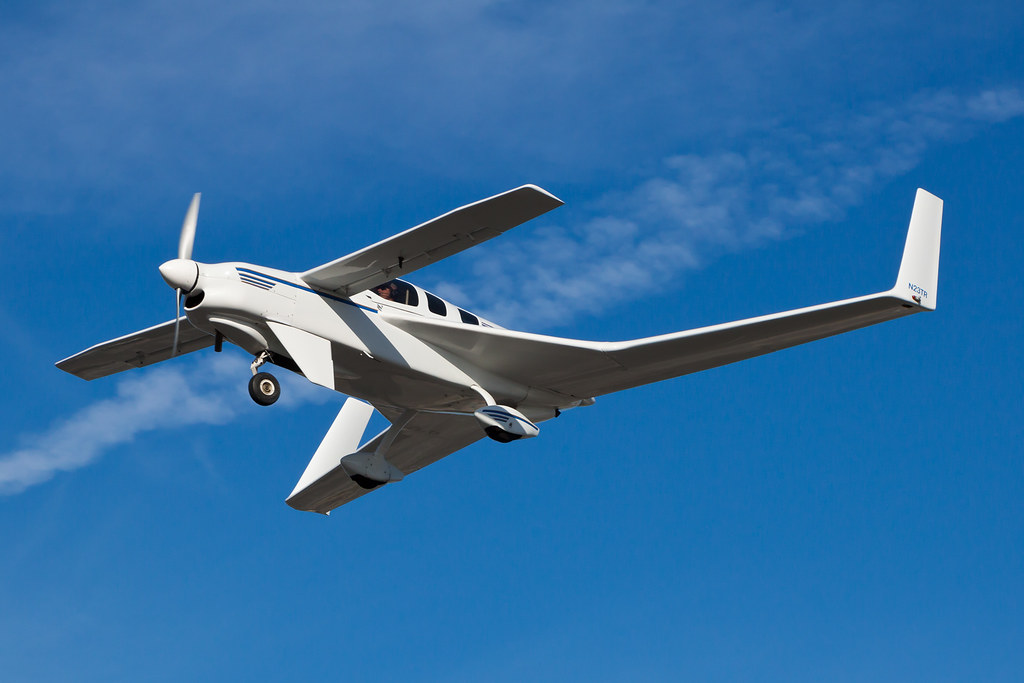
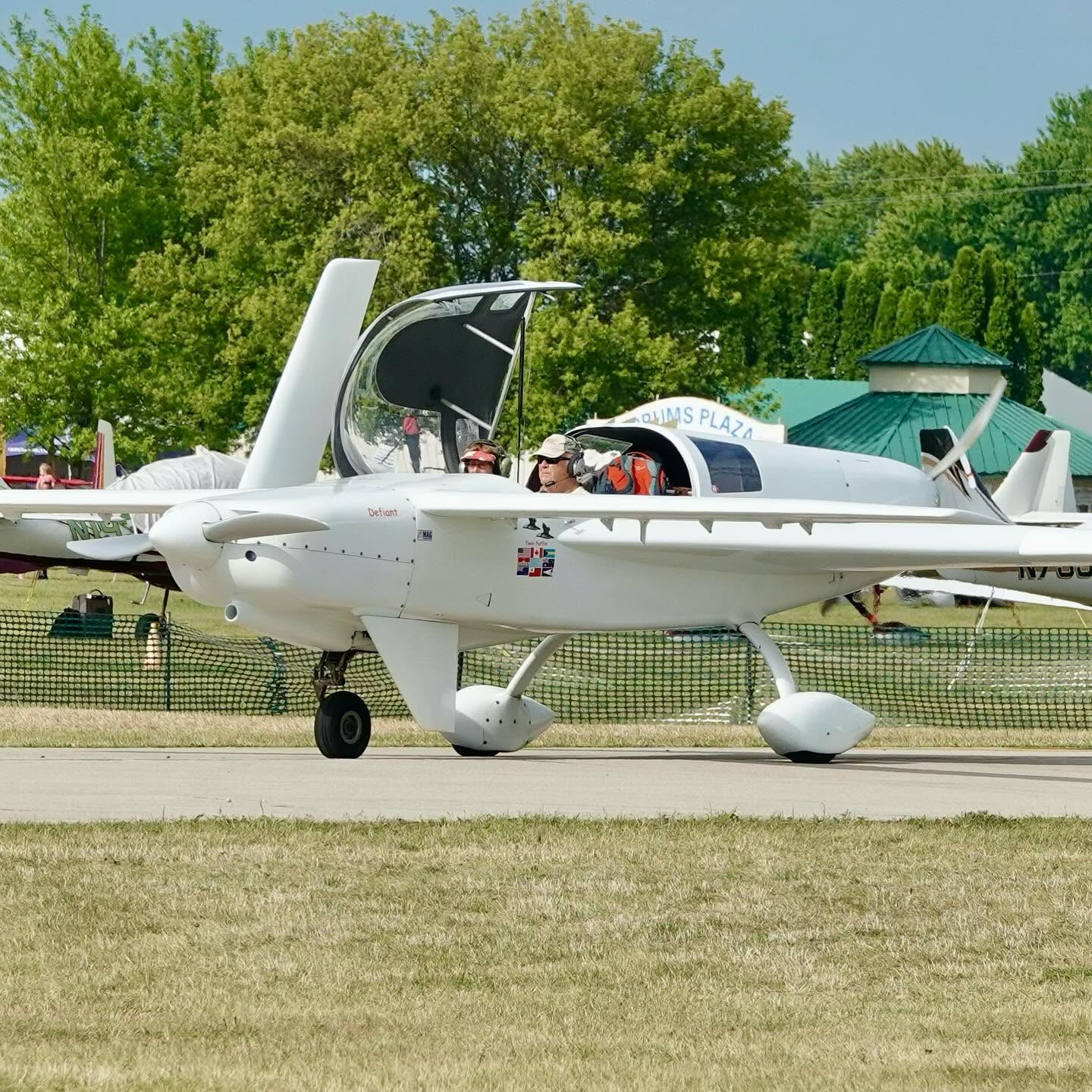
The Rutan Defiant is not a conventional aircraft. Designed by Burt Rutan in the late 1970s, this four-seat homebuilt aircraft was born with a clear purpose: to eliminate one of general aviation’s greatest risks—loss of control following an engine failure in a traditional twin-engine airplane. With its push-pull configuration and canard design, the Defiant proved that safety and efficient performance could coexist in an unconventional design.
Why Is It Notable?
-
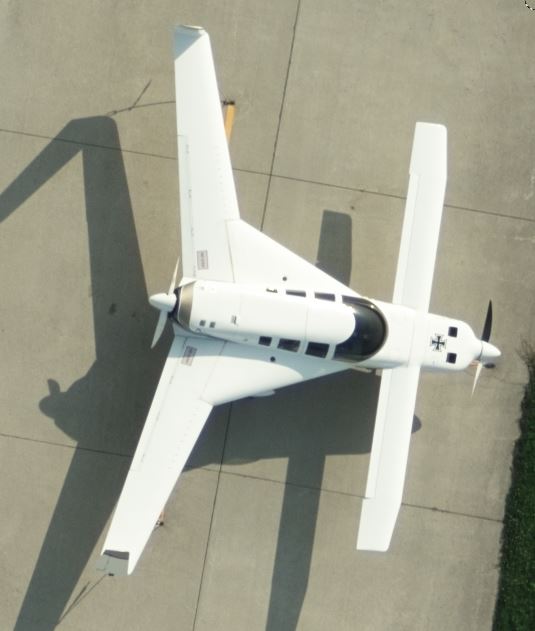
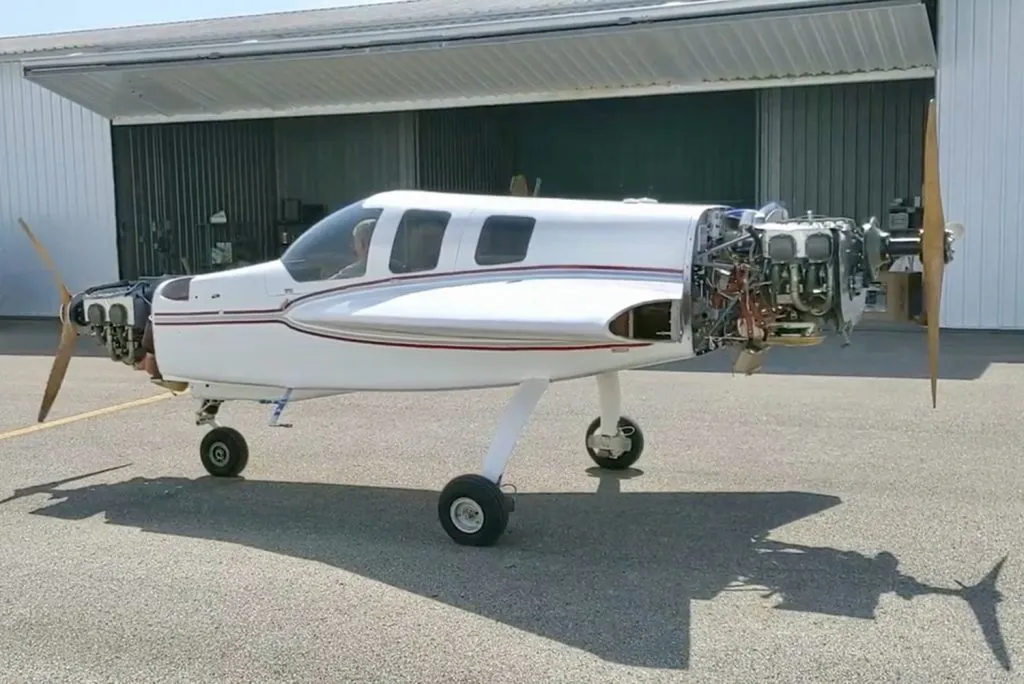
Centerline Thrust: In a conventional twin, if an engine fails, the aircraft tends to yaw and roll violently toward the dead engine, requiring prompt and precise pilot action to maintain control. By placing one engine in the nose (tractor) and one in the tail (pusher), the Defiant keeps thrust aligned with the aircraft’s centerline. If an engine fails, the pilot experiences a loss of power, but no dangerous asymmetric yaw.
-
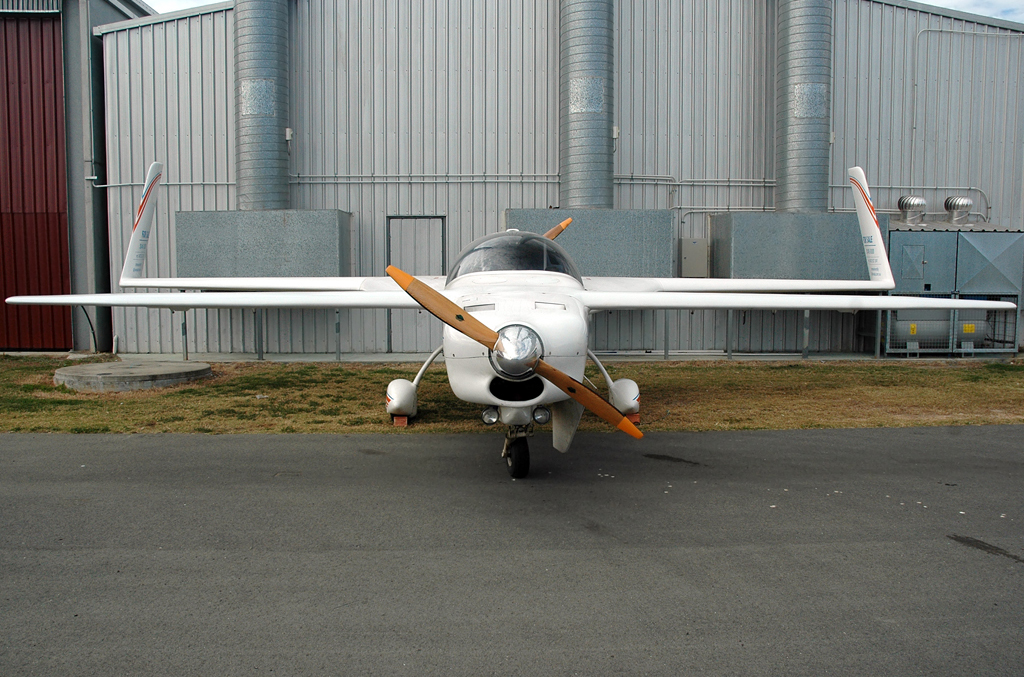
Canard Configuration: Like other Rutan designs, it incorporates a forward lifting surface (canard). This design is calculated so that the forward wing stalls before the main wing. As a result, the nose pitches down naturally to recover speed, making the aircraft highly resistant to stalls and spins.
-
Moldless Composite Construction: The Defiant utilizes Rutan’s signature construction method, using a hand-carved foam core covered with layers of fiberglass and epoxy resin. This allows homebuilders to create complex, strong aerodynamic shapes in their own workshops without the need for expensive industrial molds.
-
Real Utility and Space: Unlike many other two-seat experimental designs of the era, the Defiant was conceived as a stable cross-country transport with seating for four occupants and a baggage compartment, designed for long-distance travel.
Performance and Key Numbers
The Defiant was not designed for aerobatics; rather, it was built to offer safe, stable, and relatively fast cross-country flight with a reasonable useful load.
General Specifications:
-
Crew & Passengers: 4 (1 pilot and 3 passengers)
-
Wingspan: 30 ft 9 in (9.37 m)
-
Length: 22 ft 10 in (6.96 m)
-
Wing Area: 139.4 sq ft (12.9 m²)
-
Empty Weight: Approx. 1,701 lbs (771 kg)
-
Max Takeoff Weight: 2,998 lbs (1,360 kg)
-
Powerplant: 2 × Lycoming O-320 piston engines (150 to 160 hp each), one front tractor and one rear pusher.
Estimated Performance:
-
Cruise Speed: Approx. 185 mph (160 knots / 298 km/h) at 75% power.
-
Stall Speed: Approx. 63 mph (55 knots / 101 km/h)
-
Rate of Climb (Both Engines): Approx. 1,600 ft/min (8.1 m/s)
-
Rate of Climb (Single Engine): Approx. 350 ft/min (1.8 m/s) on the rear engine alone.
-
Range: Approx. 1,130 miles (1,820 km) with reserves.
-
Fuel Consumption: Approx. 13–16 gallons per hour (50–60 L/h) total in cruise.
In short, the Rutan Defiant represents a practical engineering solution to a classic aviation safety issue. Although it requires a meticulous building process and a significant investment of workshop hours, it remains a valued option for aviation enthusiasts seeking a safe, spacious twin-engine aircraft with notable aerodynamic efficiency.
Reviews
There are no reviews yet.