


HM-14 Flying Flea: The Original Crash-Proof Airplane
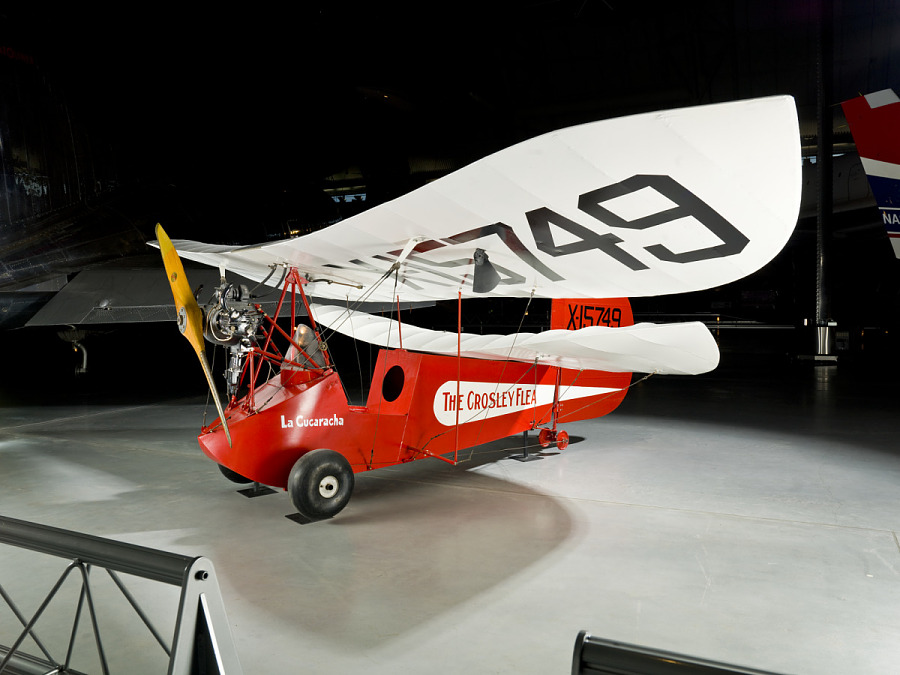
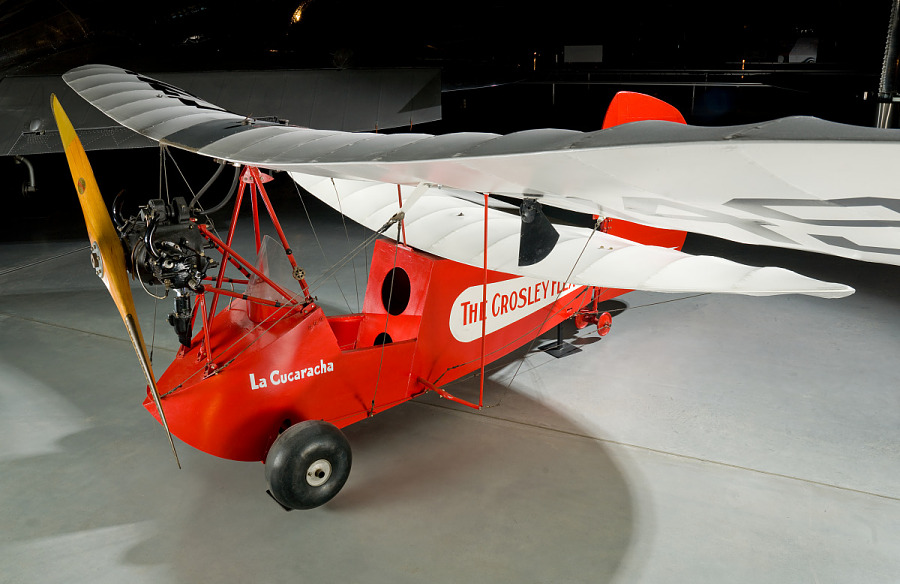
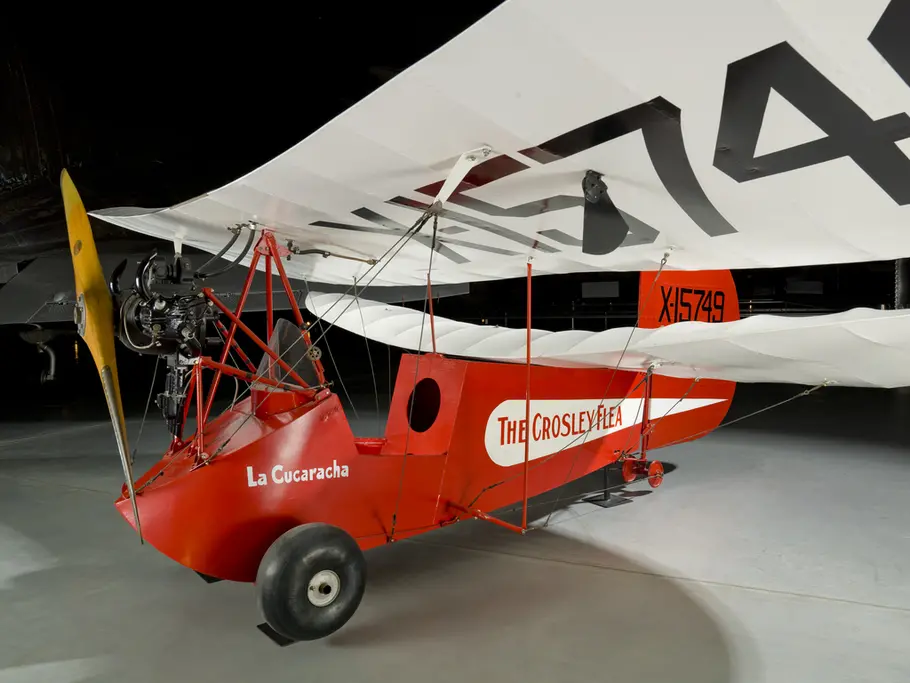
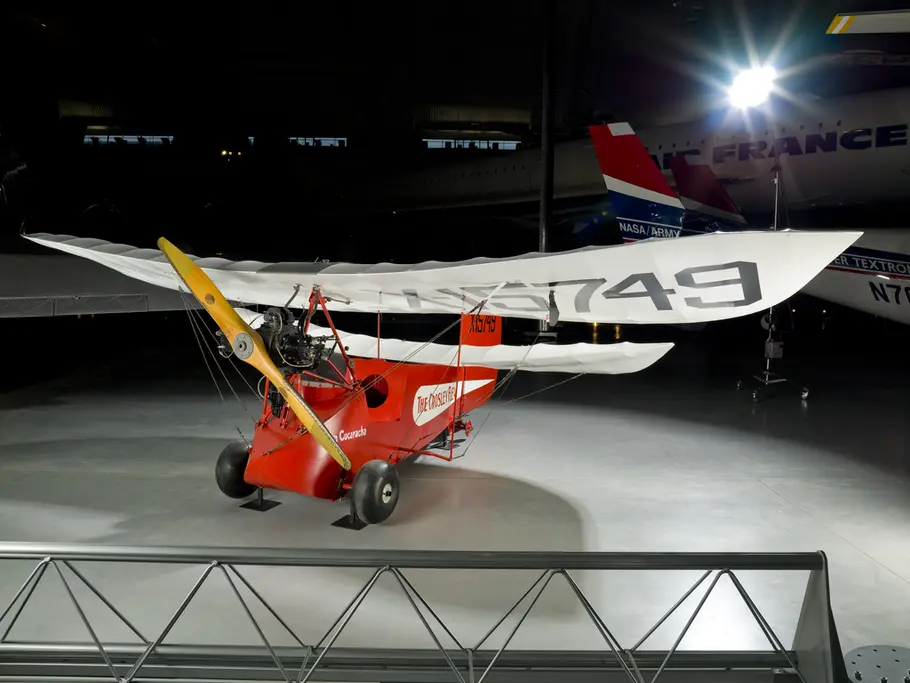
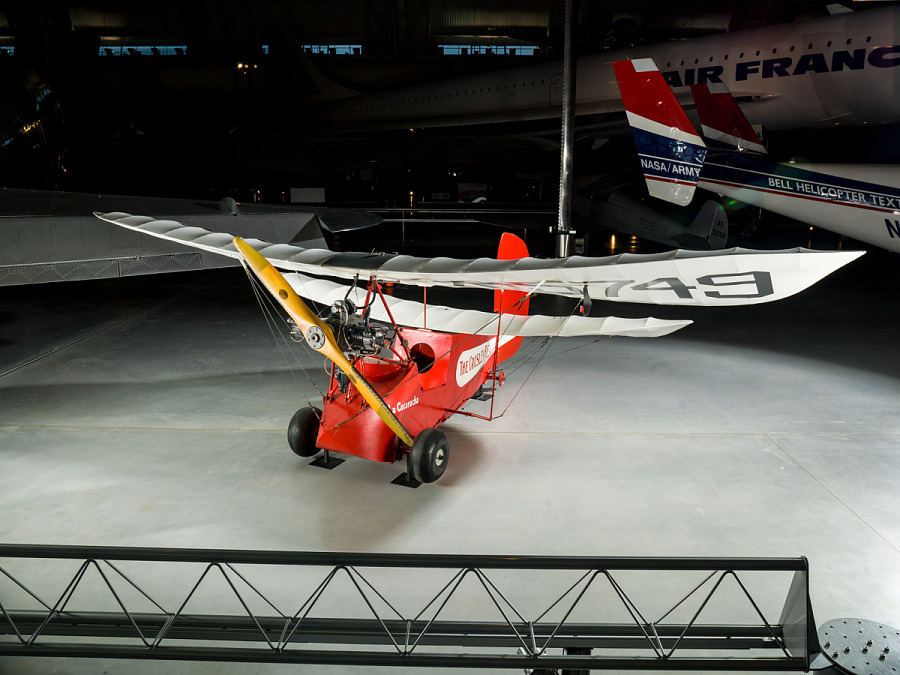
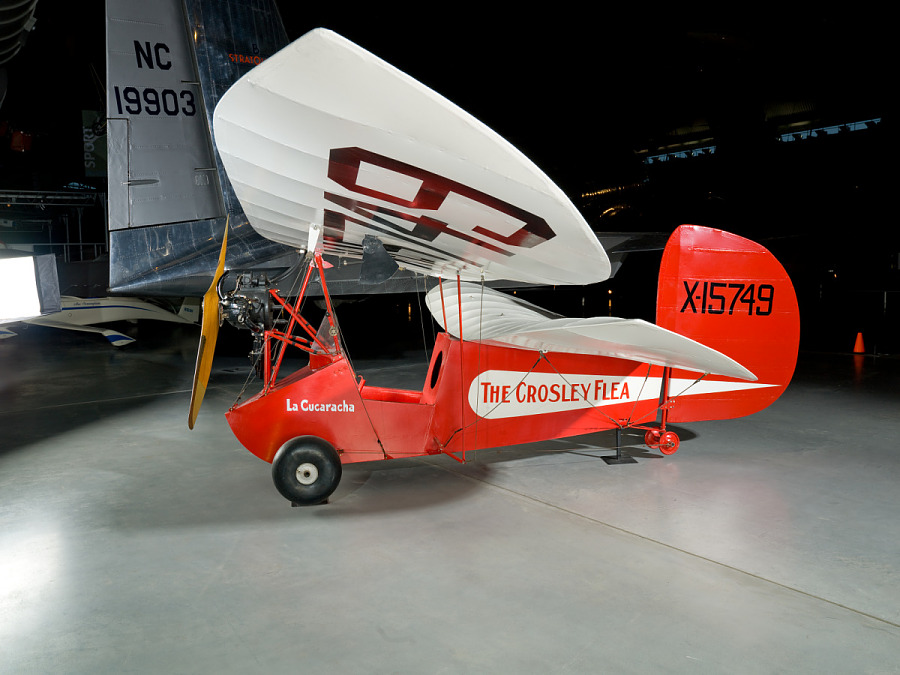
The Mignet HM-14 is the original “Pou du Ciel” (Louse of the Sky), the airplane that was born from a book and sparked a worldwide amateur aviation revolution in the 1930s. Its designer, Henri Mignet, had a single obsession: to create a plane so safe it was impossible to crash due to pilot error. He wasn’t aiming for speed or beauty, but for the total democratization of flight through safety and simplicity.
Why Was It So Revolutionary?
-
Anti-Stall by Design: This was its most genius feature. Instead of a wing and tail, it has two tandem wings. If the pilot pulls back too far on the stick, the front wing loses lift first, causing the nose to drop gently and regain speed on its own. This inherent safety system made a deadly spin almost impossible.
-
Simplified Two-Axis Control: Mignet eliminated rudder pedals. The entire operation is done with the stick: forward and back to climb and descend (by tilting the front wing), and side-to-side to turn. It was so intuitive that anyone could learn to fly it in a matter of hours.
-
Built from a Book: It wasn’t a kit. Mignet published the book “The Sport of the Air” with detailed plans and instructions so that anyone with basic woodworking tools could build their own plane from wood, fabric, and glue.
-
The People’s Plane: It was designed to fly on very low-power motorcycle engines, making it incredibly cheap to build and operate. It was the first real attempt to bring aviation within reach of the common person.
Performance and Key Numbers (The 1930s Original)
The HM-14’s figures reflect its focus on low-speed, simple flight, not high performance.
General Specifications:
-
Crew: 1 pilot
-
Front Wingspan: 18 ft (5.5 m)
-
Length: 12.5 ft (3.8 m)
-
Total Wing Area: 107 sq ft (10 m²)
-
Empty Weight: Approx. 242 lbs (110 kg)
-
Max Takeoff Weight: 440 lbs (200 kg)
-
Typical Original Engine: Aubier-Dunne (17 hp 2-stroke motorcycle engine)
Performance:
-
Maximum Speed: 62 mph (100 km/h)
-
Cruise Speed: 50 – 53 mph (80 – 85 km/h)
-
Minimum Flying Speed (No stall): 25 mph (40 km/h). It simply begins a controlled descent.
-
Takeoff Distance: 150 ft (45 m)
-
Landing Distance: 130 ft (40 m)
-
Fuel Consumption: Extremely low, around 1.5 gallons per hour (6 L/h)
In summary, the HM-14 Flying Flea was both a social and an engineering experiment. While its later designs improved the formula, the original remains a symbol of aviation for everyone—a machine that prioritized safety above all else and proved that the dream of flight could be built in a garage.

Reviews
There are no reviews yet.