
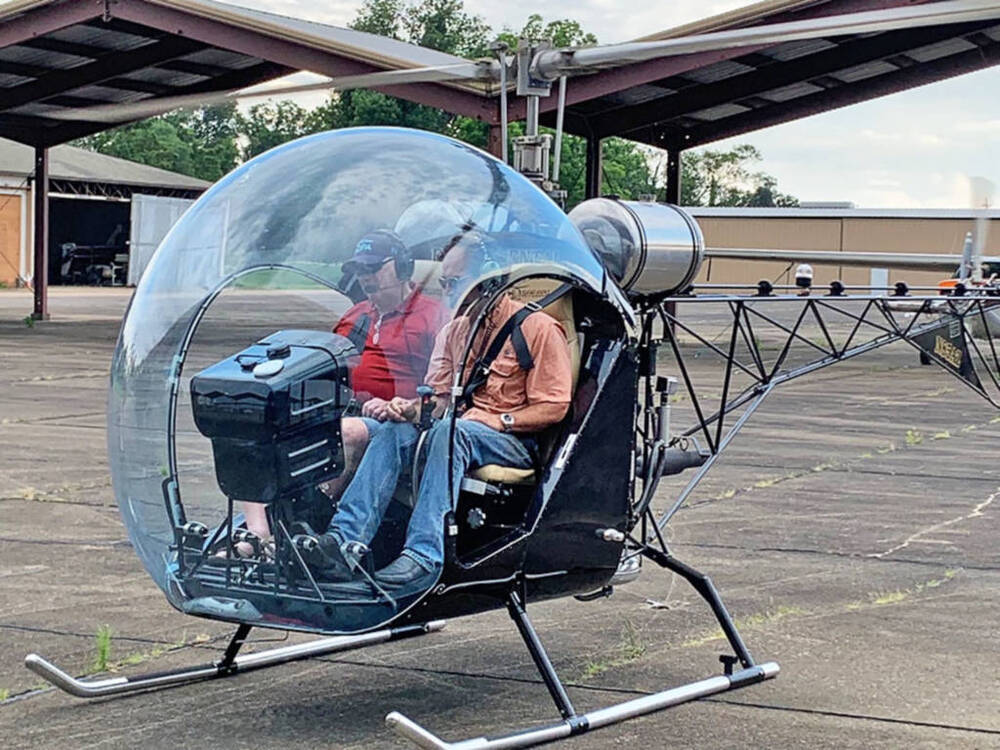
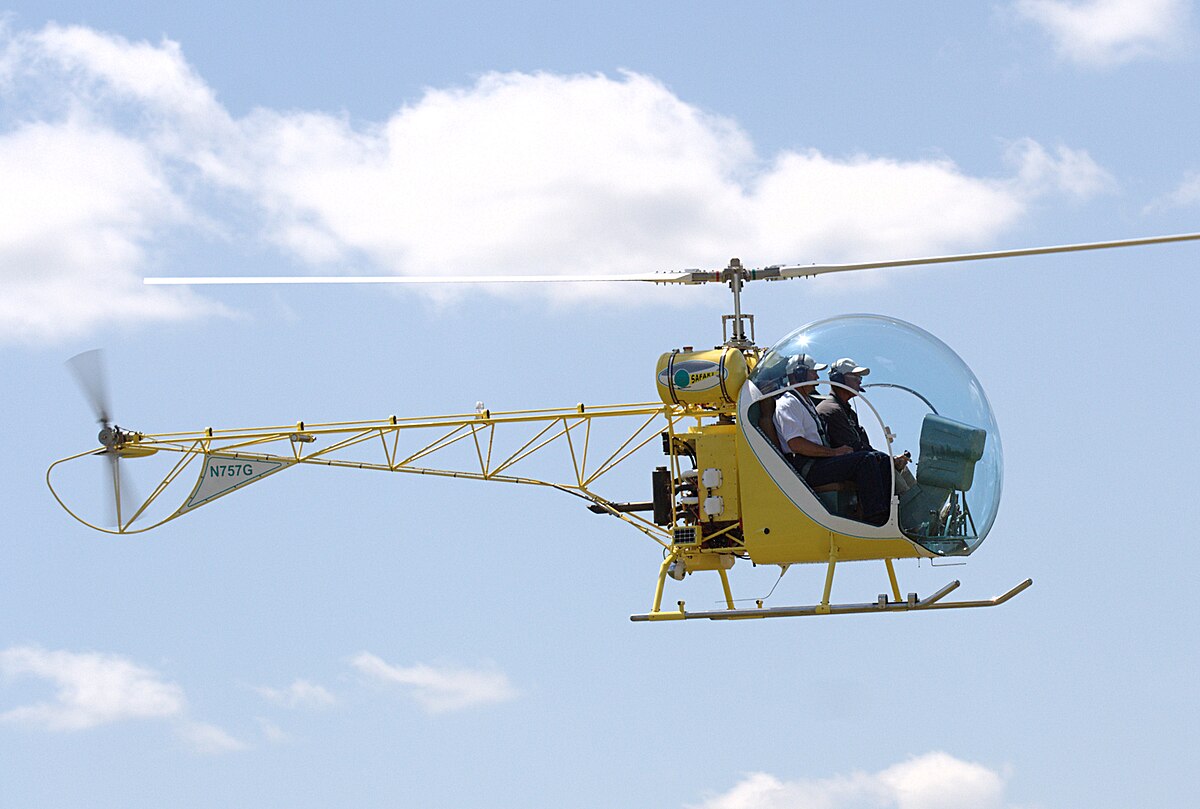
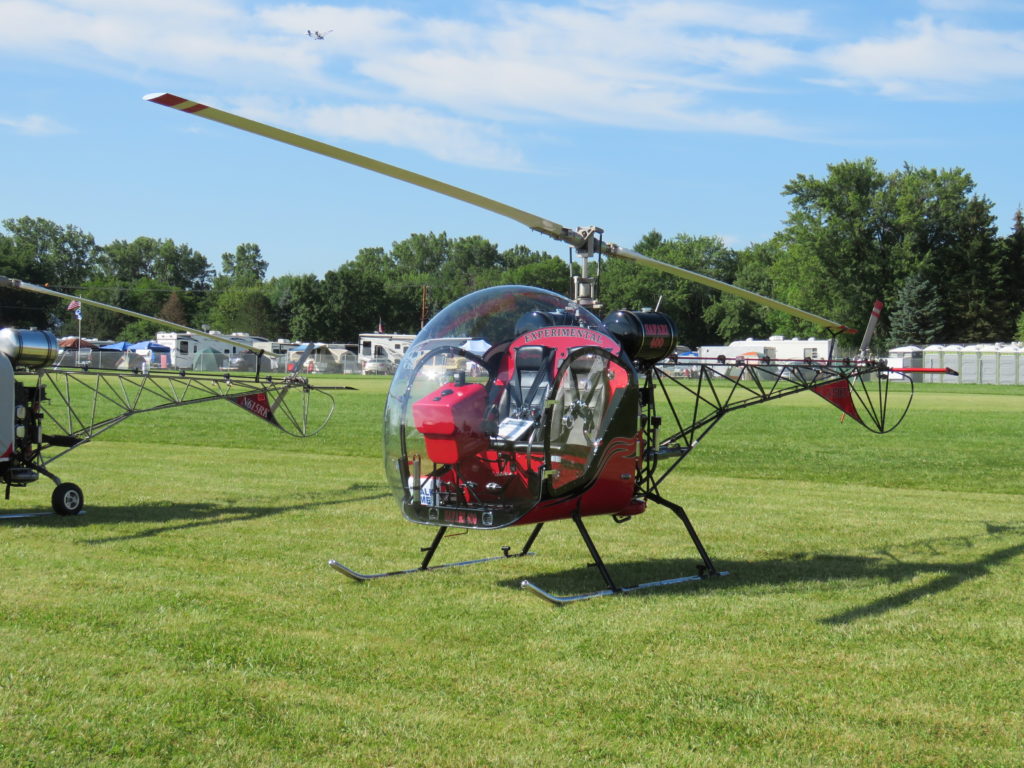
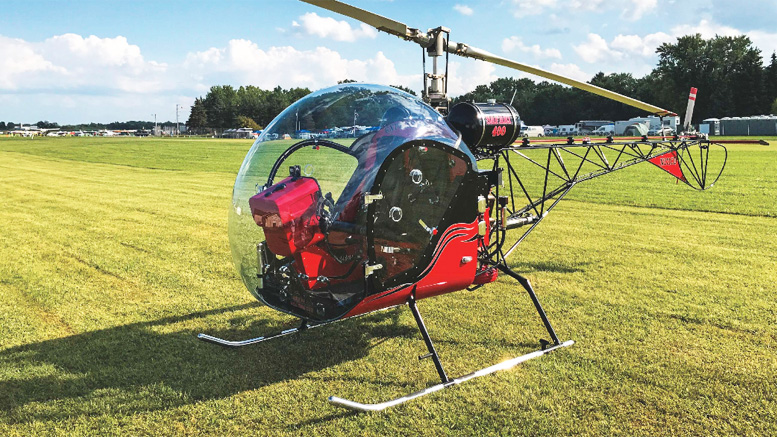
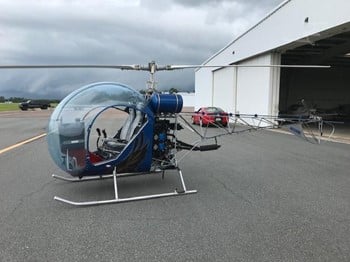
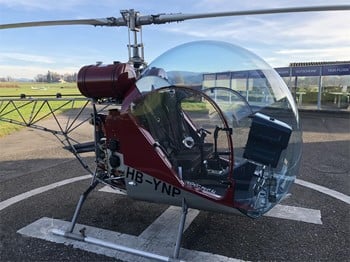
Formerly known as the Baby Belle, the Safari is famous for being a modern and improved replica of the legendary Bell 47 (the helicopter from the TV show MASH*). Its philosophy is simple: Brute force, inertia, and reliability.
Here are its advantages, focused on its mechanical robustness, passive safety, and iconic aesthetic.
1. The MASH* Look: The Legendary Bubble
The first thing you notice is its appearance. It doesn’t look like a fragile ultralight; it looks like a certified commercial helicopter.
-
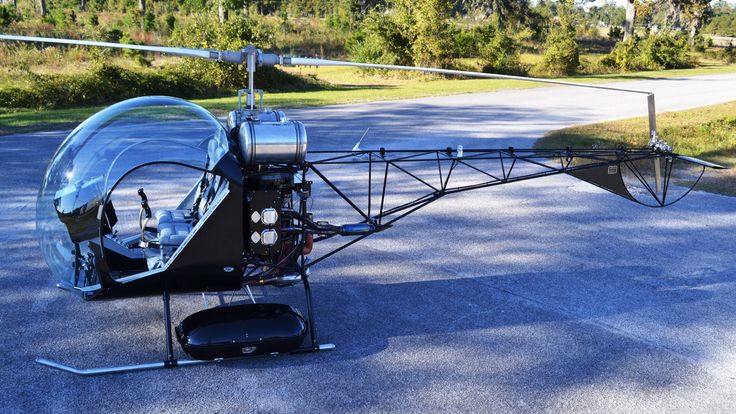
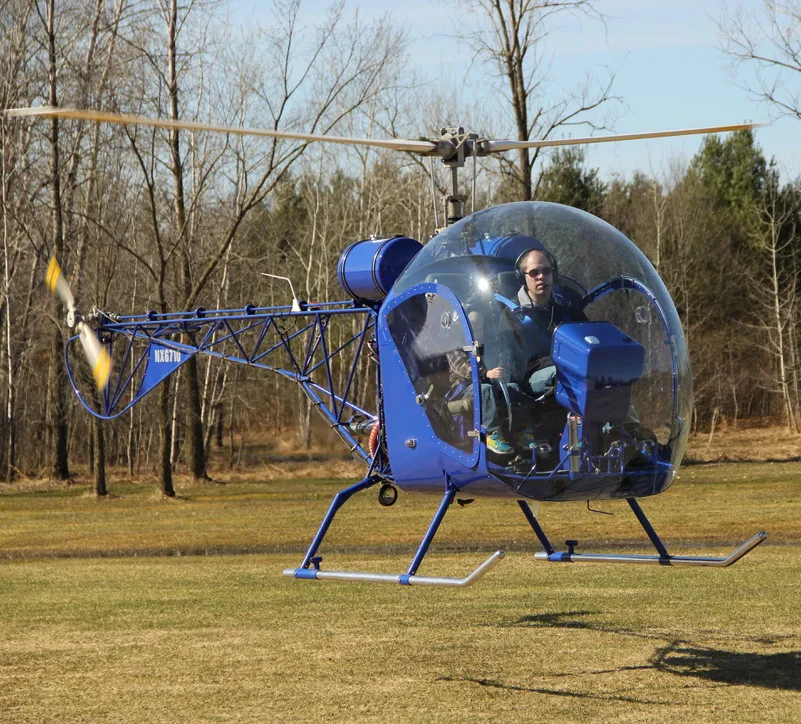
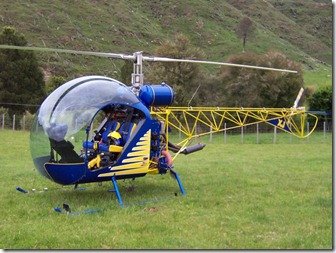
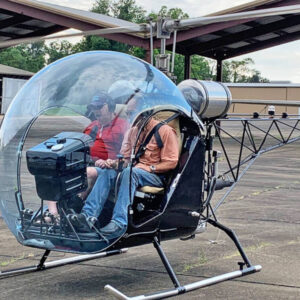
The Bubble Canopy: It offers the best visibility in the world. You are sitting inside a giant fishbowl, seeing everything down, up, and to the sides. There are no doors to get in the way (unless you want to install them).
-
4130 Steel Structure: The chassis is a work of art made of welded 4130 chrome-moly steel (Triangulated Aircraft Tubing). It is an extremely strong safety cage that protects the occupants.
-
Open Tail: Pure industrial style. The tail rotor and stabilizer are exposed in a tube structure, which makes pre-flight inspection incredibly easy.
2. Aviation Heart: No Car Engines
Unlike many experimental helicopters (like the Rotorway) that sometimes use modified car engines or proprietary engines, the Safari plays it safe.
-
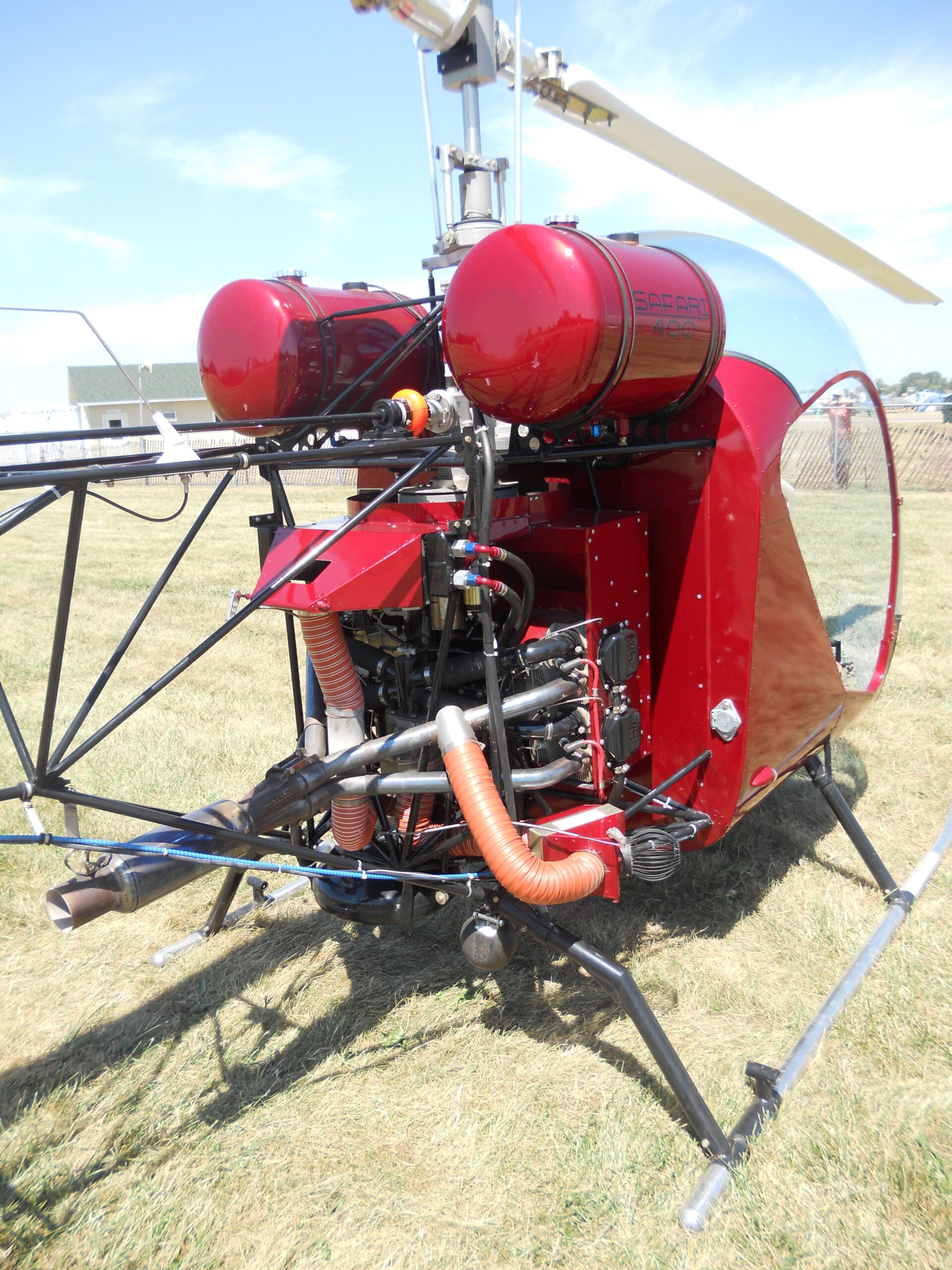
Lycoming O-360 Engine: The Safari is designed to carry a certified Lycoming aircraft engine (160 to 180 HP), the same one found in a Cessna 172 or a Piper Cherokee.
-
Absolute Reliability: By using a low-RPM, high-torque aircraft engine, you get reliability that 2-stroke engines or car conversions can hardly match.
-
Shaft Drive: The tail rotor is not driven by long belts that can slip or break. It uses a titanium/steel drive shaft and gearboxes, just like military or commercial helicopters. It is “real” mechanics.
3. Safety: The Magic of Inertia
In the helicopter world, rotor inertia is life.
-
High Inertia Rotor: The main rotor blades are heavy and have counterweights. This means that if the engine fails, the blades keep spinning with force for longer, making autorotation (emergency landing without engine power) much safer, smoother, and more forgiving than in light helicopters like the Robinson R22.
-
Standard Controls: It uses conventional cyclic and collective controls. If you learn to fly in a Safari, you can fly any large helicopter.
-
Landing Gear: Its wide, strong skids with oleo-pneumatic shock absorbers make hard landings manageable.
4. Statistics and Numbers
The Safari is not the fastest, but it is a workhorse.
Dimensions and Weights:
-
Empty Weight: Approximately 1,000 lbs (453 kg).
-
Maximum Takeoff Weight: 1,500 lbs (680 kg).
-
Payload: About 500 lbs. It carries two adults comfortably.
Performance (with 180 HP Lycoming O-360):
-
Cruise Speed: 85-90 mph (135-145 km/h). It’s not a Ferrari, it’s a Jeep.
-
Maximum Speed (Vne): 100 mph (160 km/h).
-
Range: About 2.5 to 3 hours (250-280 miles / 400-450 km) with standard tanks.
-
Rate of Climb: About 1,000 feet per minute (300 meters/min).
-
Service Ceiling: 10,000 feet (although it is happiest flying low).
Considerations (The reality of helicopters)
-
Fuel Consumption: A Lycoming O-360 drinks gasoline. Expect to burn 9-10 gallons (35-40 liters) per hour of AvGas.
-
Complexity: A helicopter has many more critical moving parts (swashplate, tail rotor, transmissions) than an airplane. Maintenance is more demanding and expensive.
-
Training: Flying a helicopter is much harder than flying a plane. You need specific, quality instruction. You cannot teach yourself.
In summary, the Safari Helicopter is the best choice for someone who wants to build a serious, safe, and robust helicopter. It is the closest you can get to having your own military Bell 47 in the garage, with the peace of mind of having a certified engine behind your back.
Reviews
There are no reviews yet.