
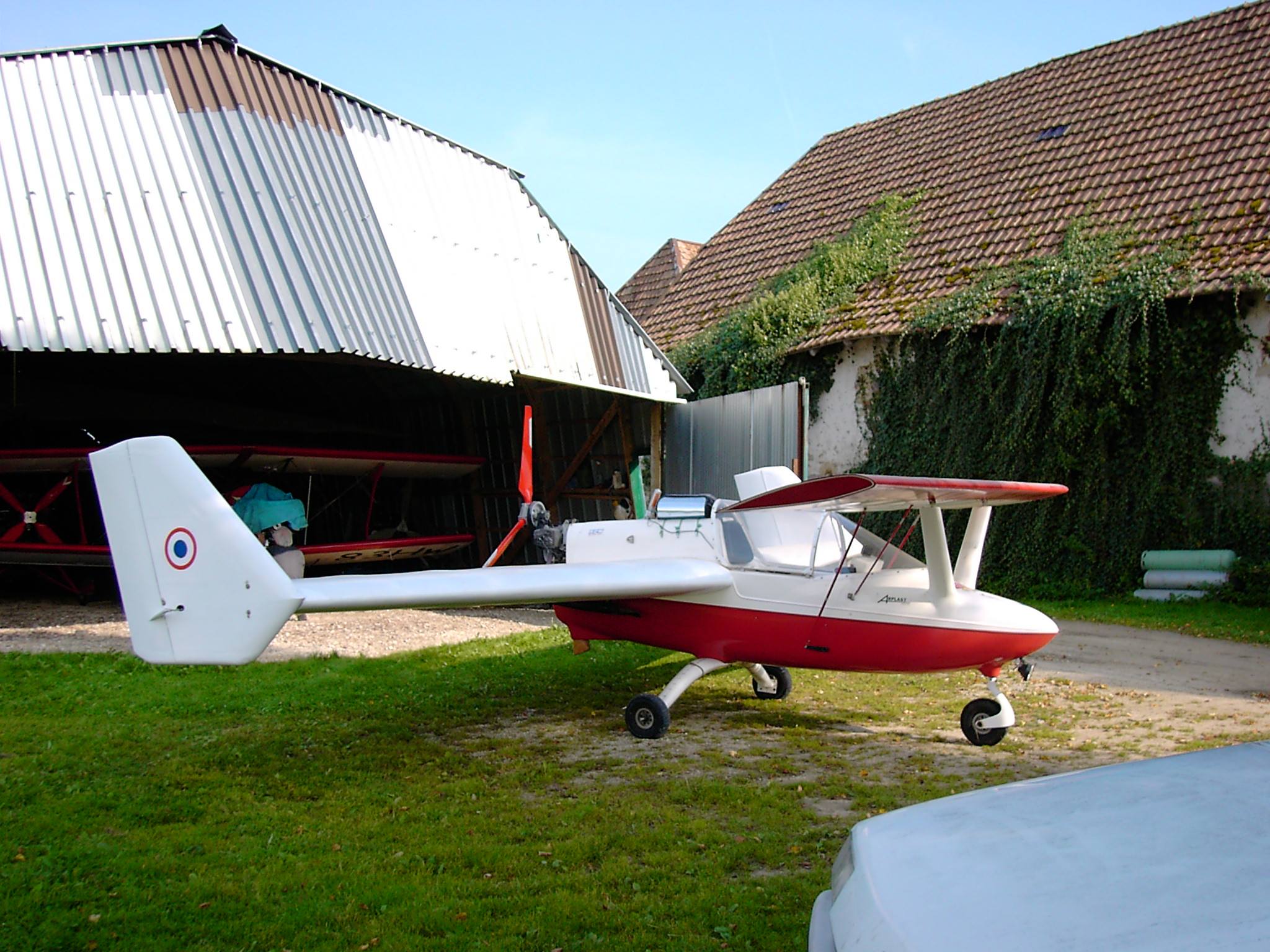
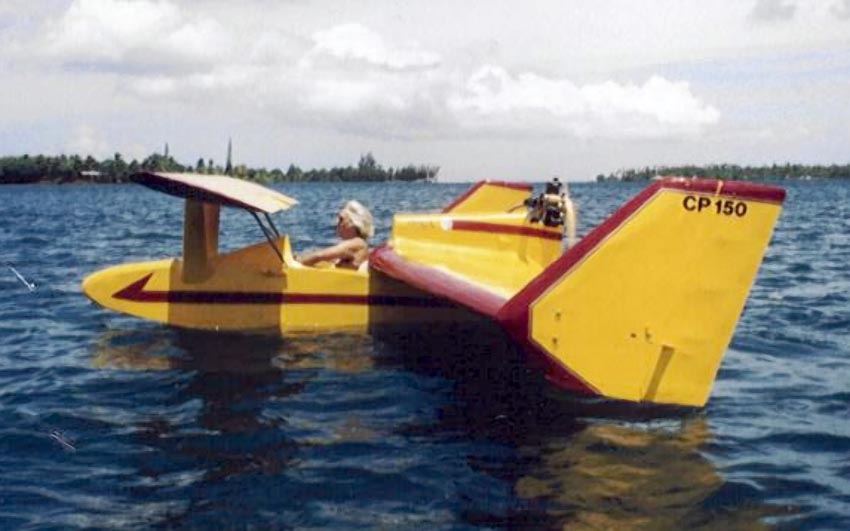
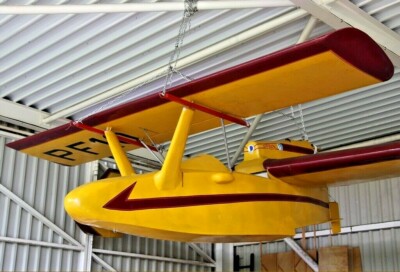
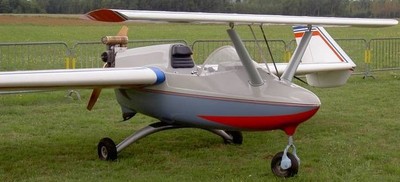
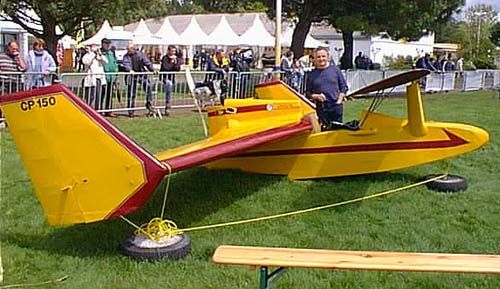
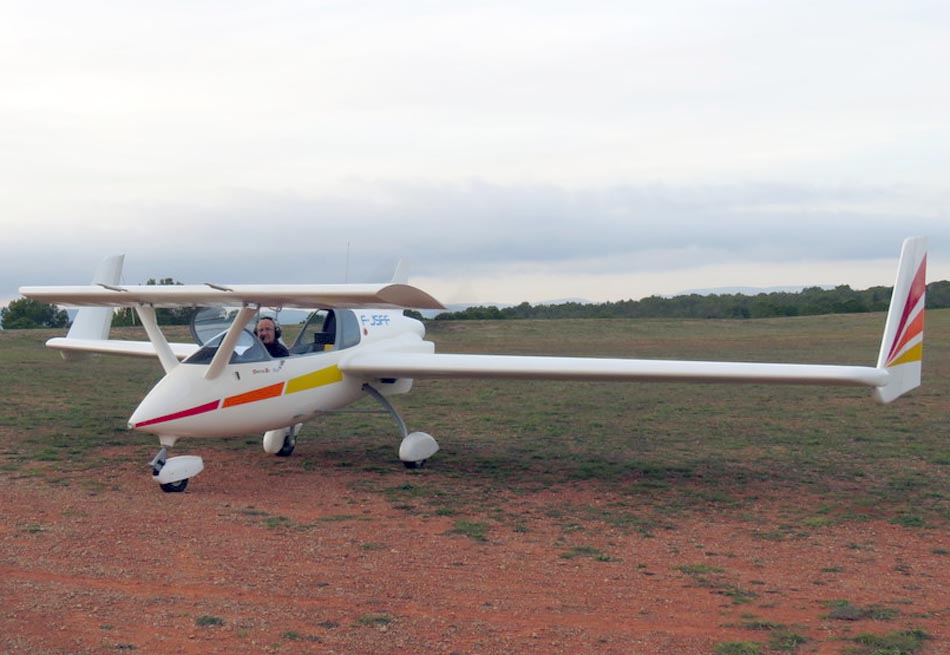
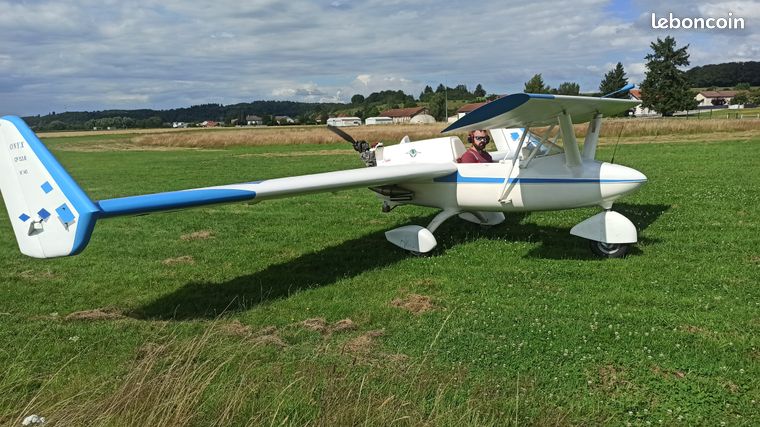
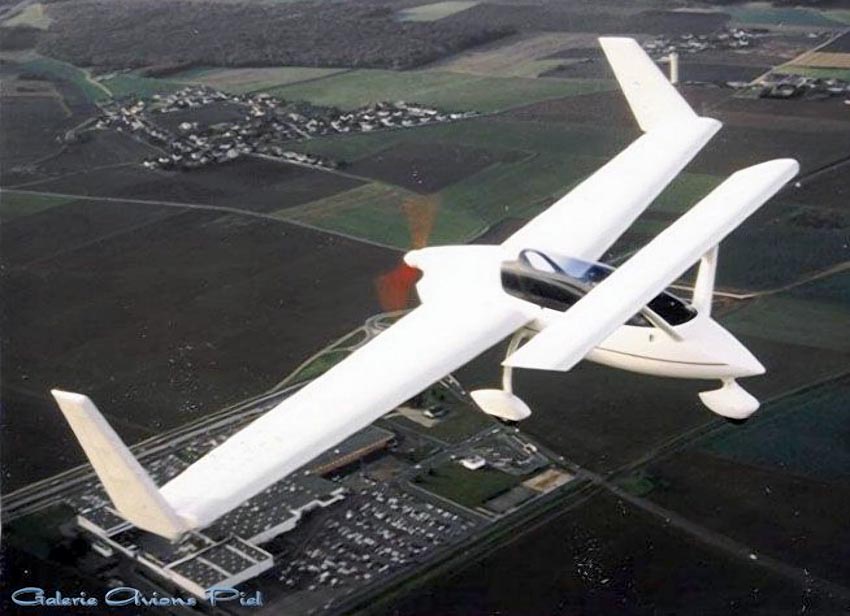
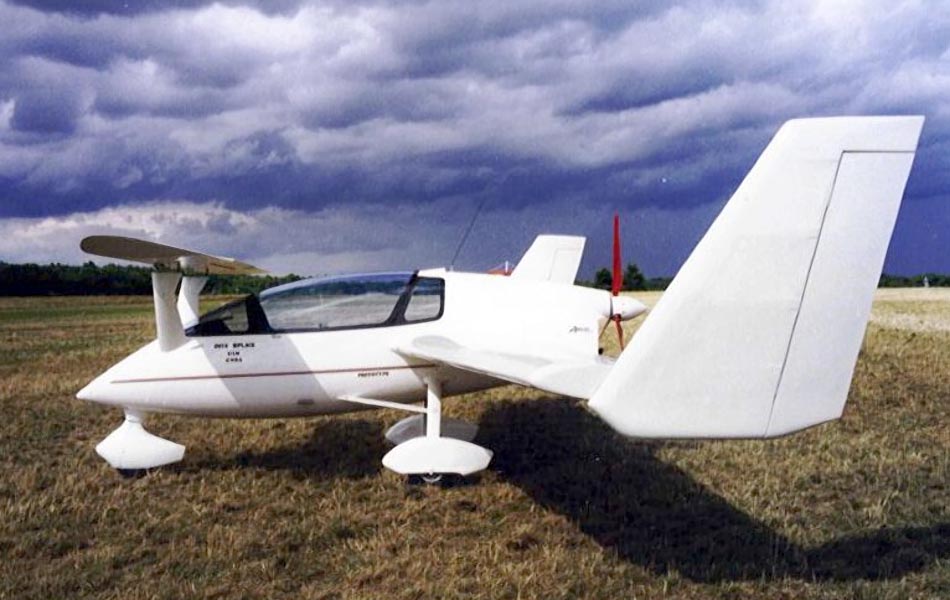
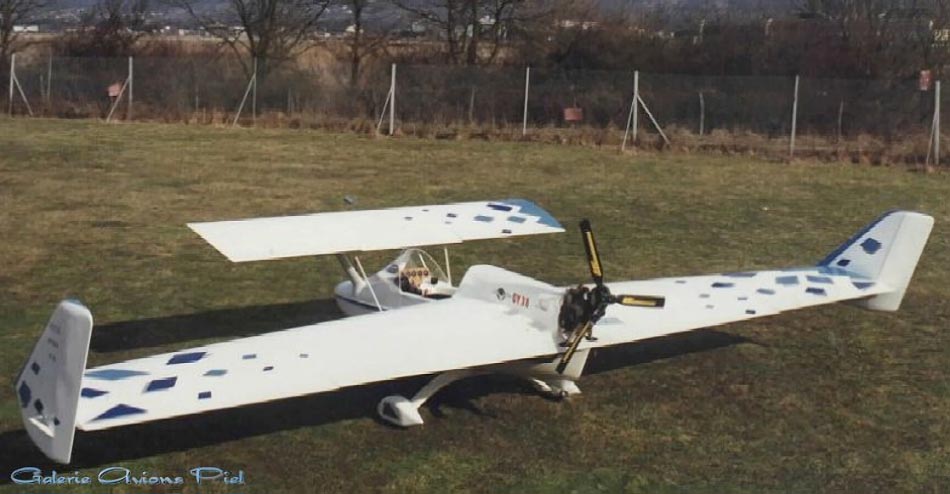
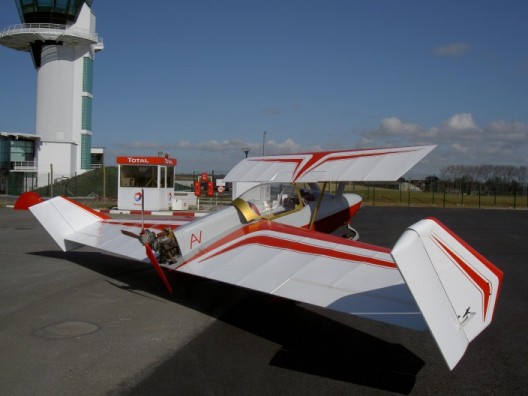
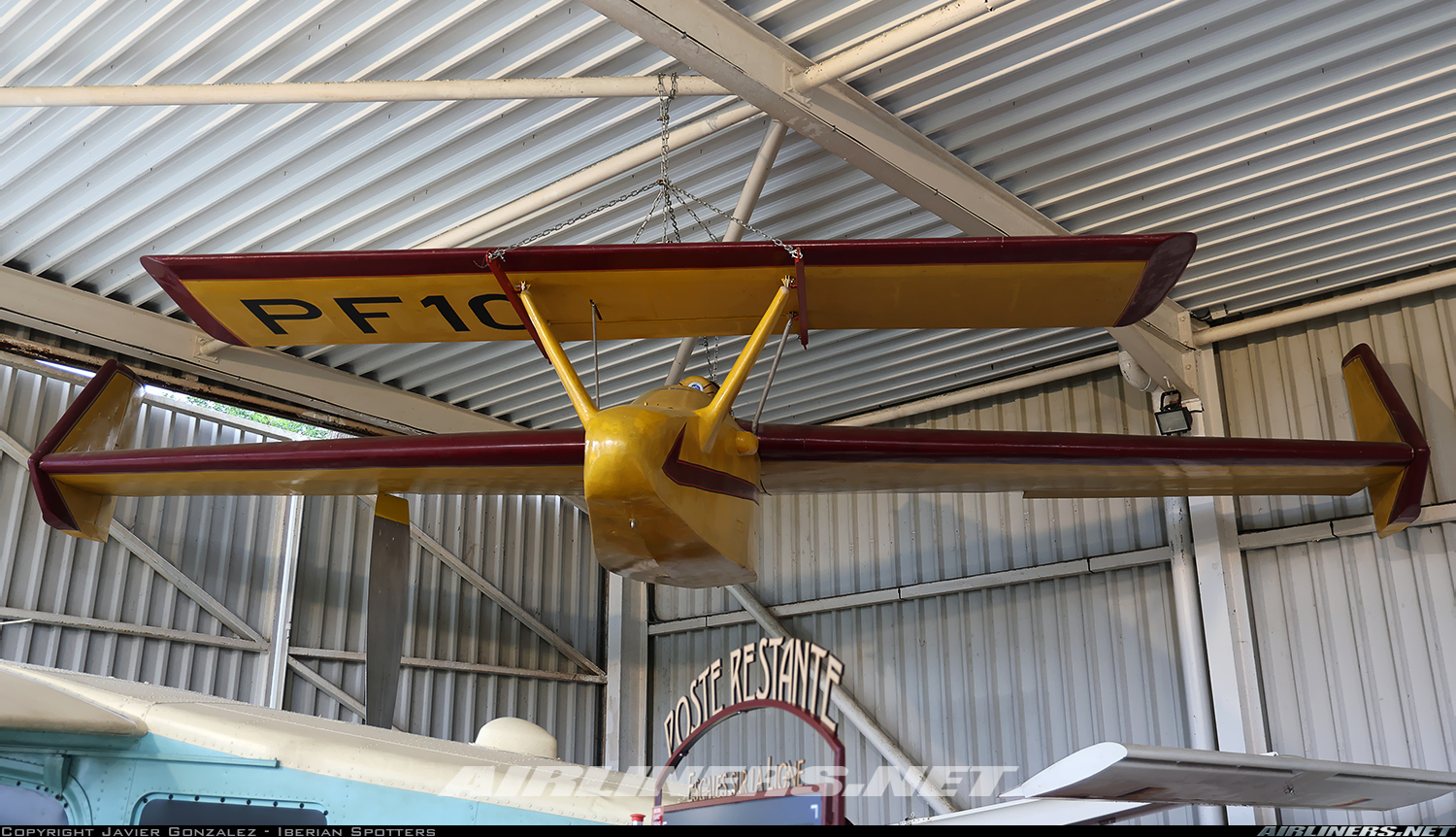
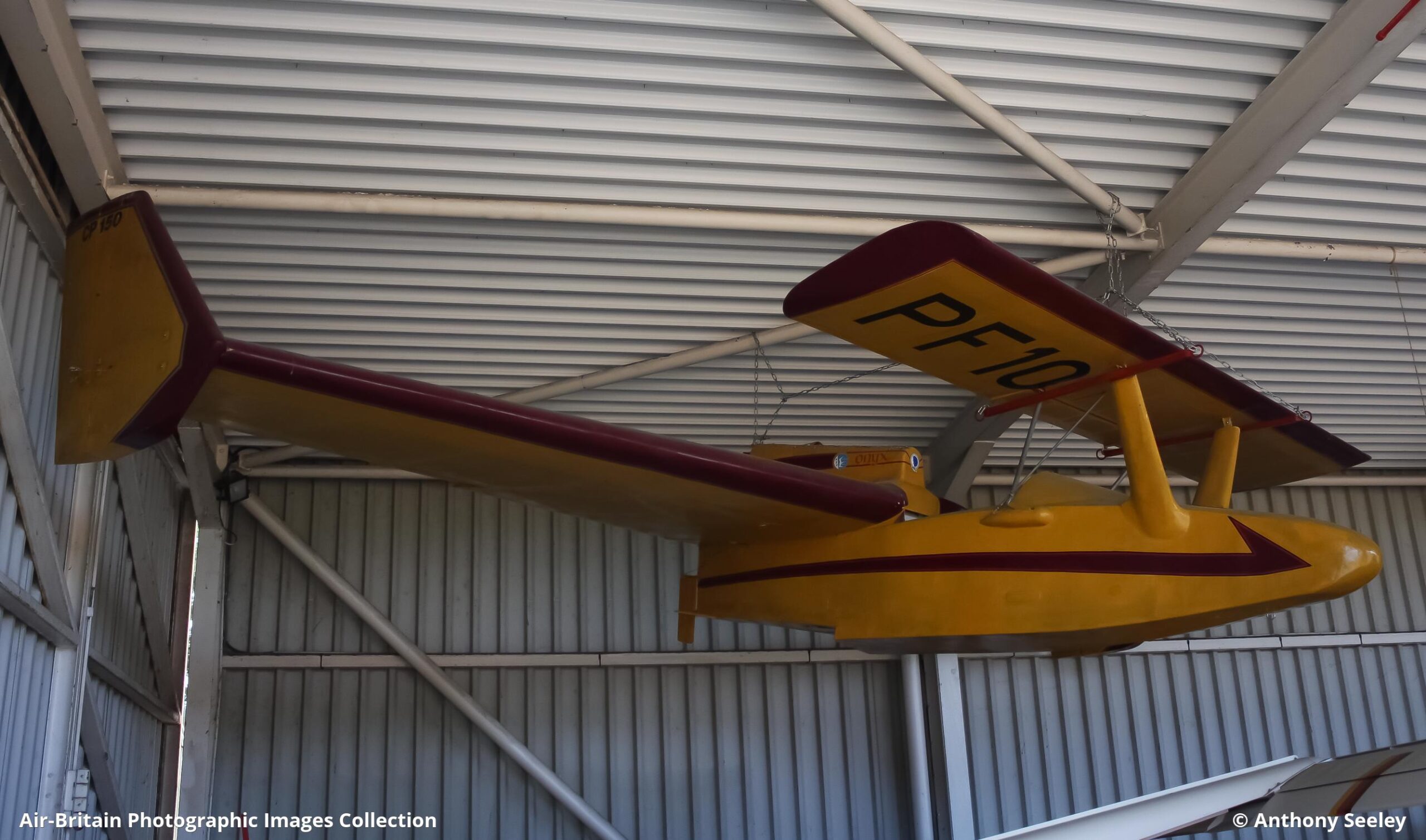
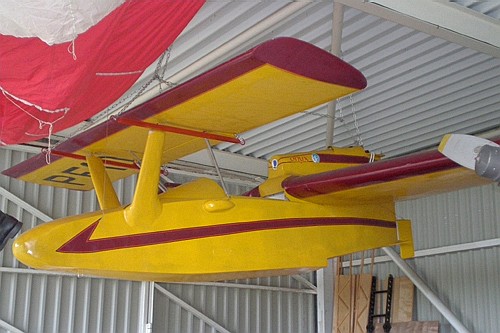
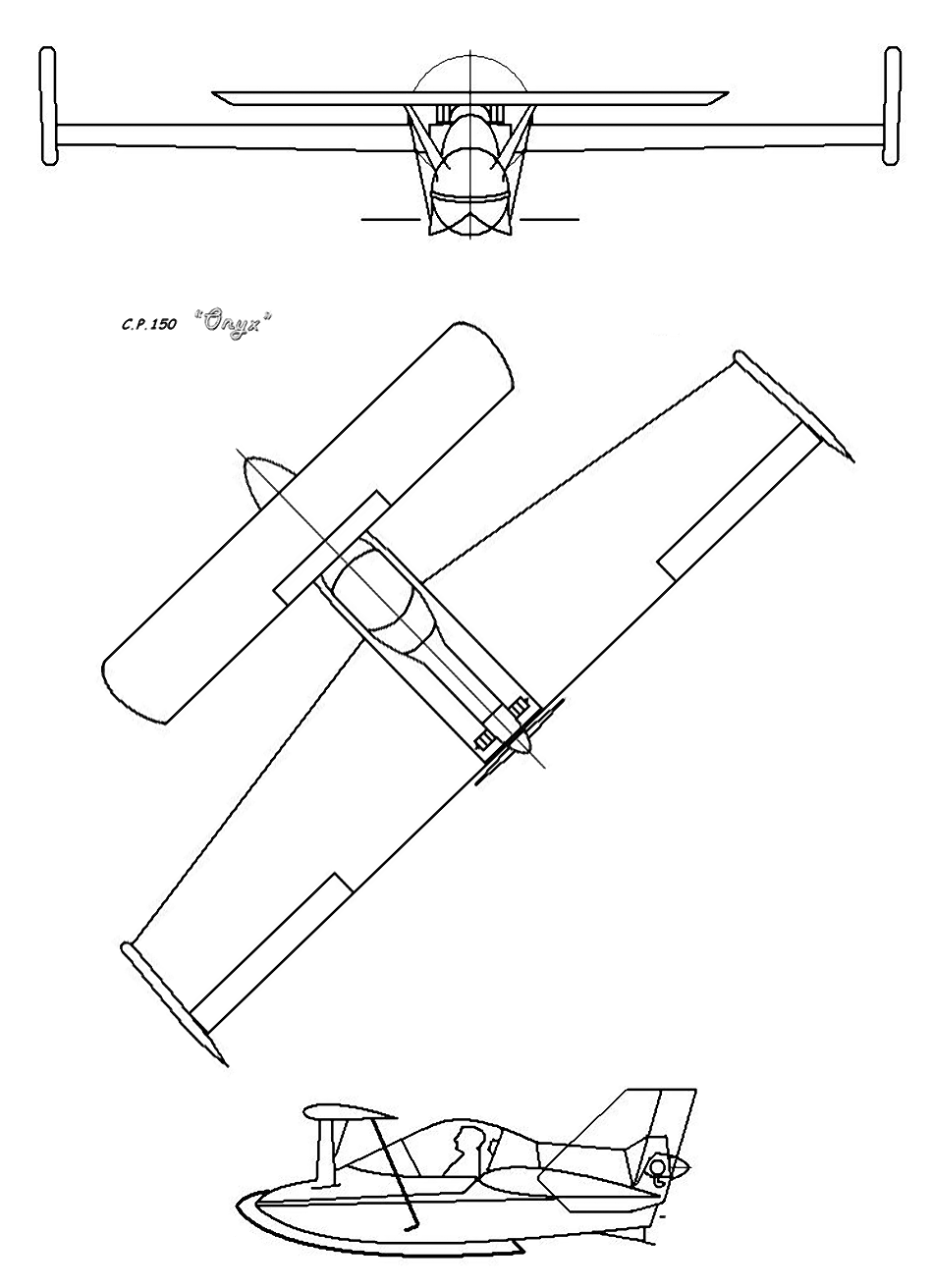
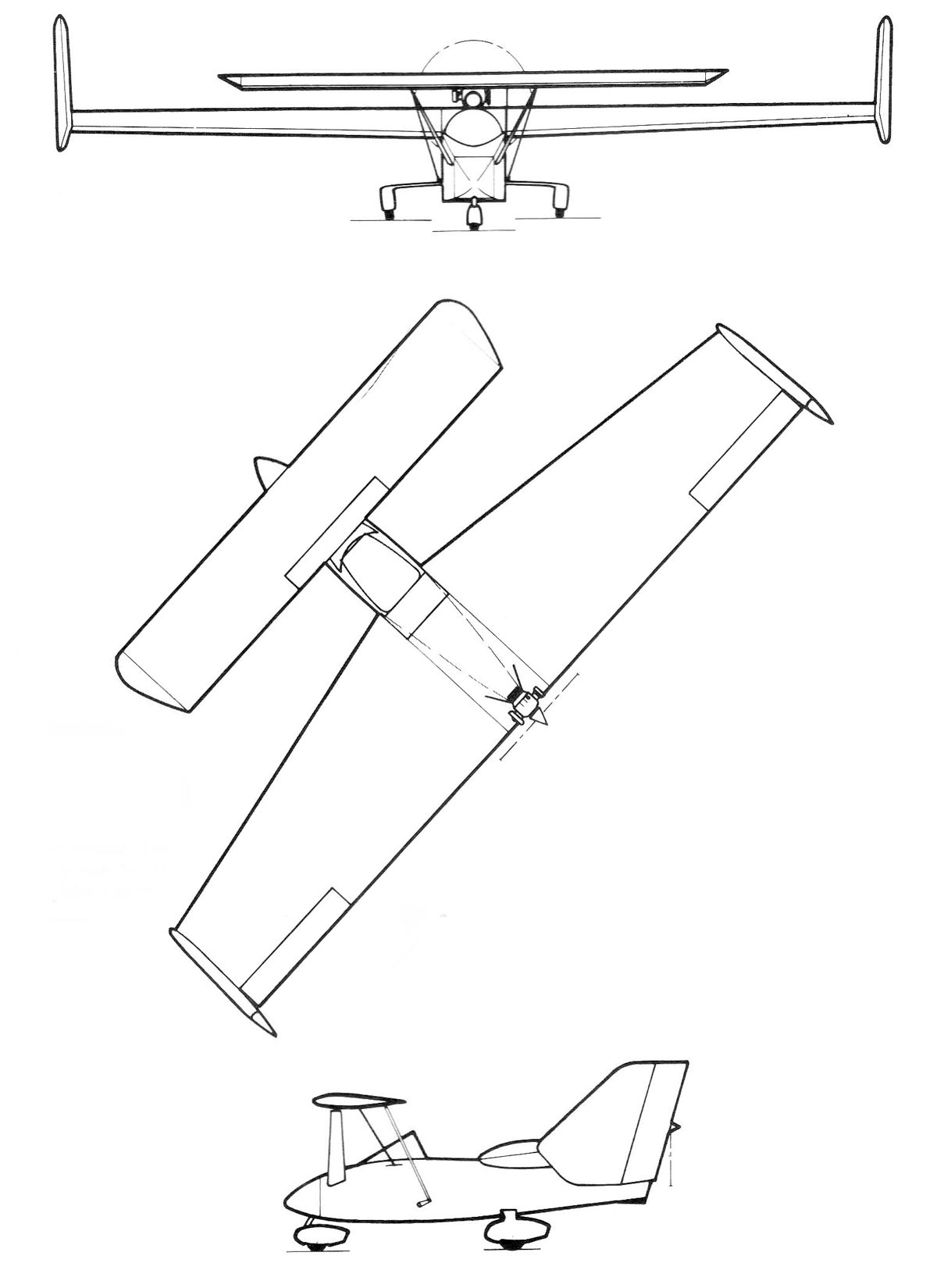
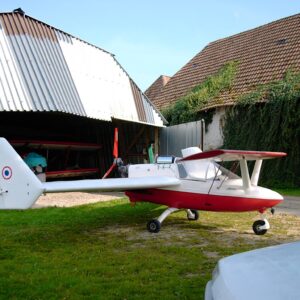
This aircraft is a jewel of French engineering. Designed by the legendary Claude Piel (famous for the “Emeraude” series, known for their excellent handling), the Onyx is the minimalist answer to the question: “What if I want a futuristic Burt Rutan-style design but I only know how to work with wood?”
It is a Canard ultralight (the small wing goes in front) that combines a space-age aesthetic with old-school carpentry construction.
Here are its advantages, focused on its unique configuration, its absurd efficiency with low power, and its safety.
1. “Canard” Design: Stall-Proof Safety
The most visual feature of the Onyx is also its greatest life insurance policy.
-
Stall-Proof: The magic of the Canard design is pure physics. The front wing (canard) is designed to stall before the main rear wing. When the canard stops flying, the nose of the plane drops automatically, regaining speed before the main wing stops generating lift. This makes it practically impossible to enter a deep stall or an accidental spin.
-
Panoramic Visibility: Because the engine is in the back (pusher) and there is no large wing above your head or in front of you, the forward view is uninterrupted. It is like sitting on the tip of an arrow.
-
Stability: Piel’s designs are known for being stable and predictable, something rare in such small aircraft.
2. Construction: High Tech with Low Tech
Although it looks like a modern carbon fiber plane, it is pure wood.
-
Wood and Fabric: It is built with the cheapest and easiest materials to work with: pine or spruce wood and aircraft fabric. You don’t need expensive molds or curing ovens. It is basic carpentry.
-
Tiny Size: Look at the length: 11.6 feet (3.5 meters). It is tiny. It takes up less space in the garage than a small car. The wings are detachable, allowing it to be stored in any corner.
-
Affordable Plans: As seen in the image, the set of plans cost about $90. It is an “open source” design in spirit, made so that anyone can build it.
3. Efficiency: Flying with a Lawn Mower Engine
This is where the numbers from your image are shocking. This plane flies with power that other planes wouldn’t even use to taxi.
-
Ridiculous Power (12 to 18 HP): The prototype flew with 12 HP. Twelve! That is a large chainsaw engine. With the “powerful” option of 18 HP, performance improves noticeably. This means that today you can install a modern paramotor engine (like a Polini or Vittorazi) and have a spectacular power-to-weight ratio.
-
Non-Existent Consumption: With such small engines, you don’t measure consumption in gallons per hour, but almost in “drops.” It is the cheapest way to fly with an engine that exists.
4. Statistics and Numbers (Based on your image)
The numbers of the Onyx are the dream of the “Low & Slow” pilot:
Dimensions and Weights:
-
Span: 24.0 ft (7.3 meters).
-
Length: 11.6 ft (3.5 meters). Very short!
-
Empty Weight: 265 lbs (120 kg). Easily fits into the ultralight category (Part 103).
-
Max Takeoff Weight: 475 lbs (215 kg).
Performance (12 HP vs 18 HP Comparison):
-
Cruise Speed:
-
With 12 HP: 50 mph.
-
With 18 HP: 60 mph. (A very decent cruise for that power).
-
-
Stall Speed:
-
Incredibly low: 22 to 25 mph. You land at the speed of a fast bicycle.
-
-
Takeoff Distance:
-
With 18 HP, it takes off in just 150 feet. It is a true STOL.
-
-
Rate of Climb:
-
With 18 HP it climbs at 450 ft/min. It is not a rocket, but it is enough to climb out safely.
-
-
Max Speed (V.N.E.): 85 mph.
5. Considerations and Modernization
-
Fixed Tricycle Gear: It has small wheels. It is designed for decent grass strips or pavement. It is not a plane for “Bush Flying” on big rocks.
-
Cooling: Being a “pusher” engine (in the back), the engine does not receive fresh air from the propeller while on the ground. Care must be taken not to overheat it during taxiing, although with modern engines this is managed better.
-
The Fun Factor: It is an open-cockpit single-seater. You fly with the wind in your face, in a plane that looks like a wooden spaceship, spending less on gas than a motorcycle.
In summary, the C.P. 150 Onyx is for the builder who wants something different. If you are bored with normal “wing and tail” planes, and you want the safety of the Canard design with the economy of wood and a tiny engine, this is your project.
Reviews
There are no reviews yet.