Sale!

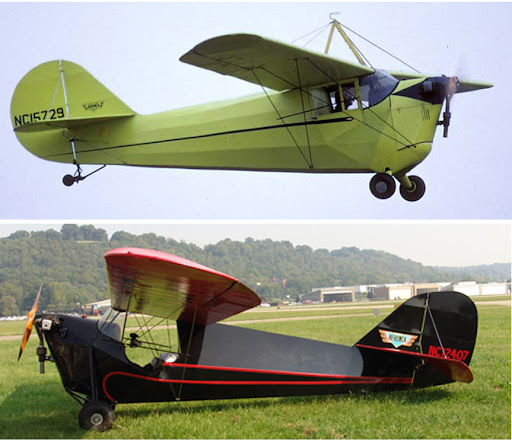
Aeronca C-3

Original price was: $300.00.Current price is: $100.00.

+ Free Shipping

Plans are sold only in our online store.

You buy:
-scans of plans Aeronca C-3. These are the original blueprints for the Aeronca C-3, ready for construction. It can take off in less than 60 meters.
-manuals
-lots of additional information for building your aircraft
-technical support in messengers and e-mail

Category: Tag:
Guaranteed Safe Checkout

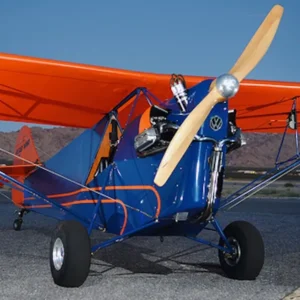
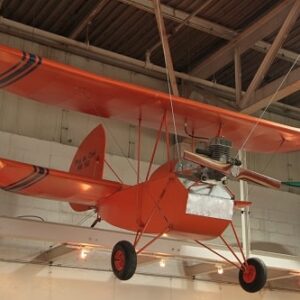
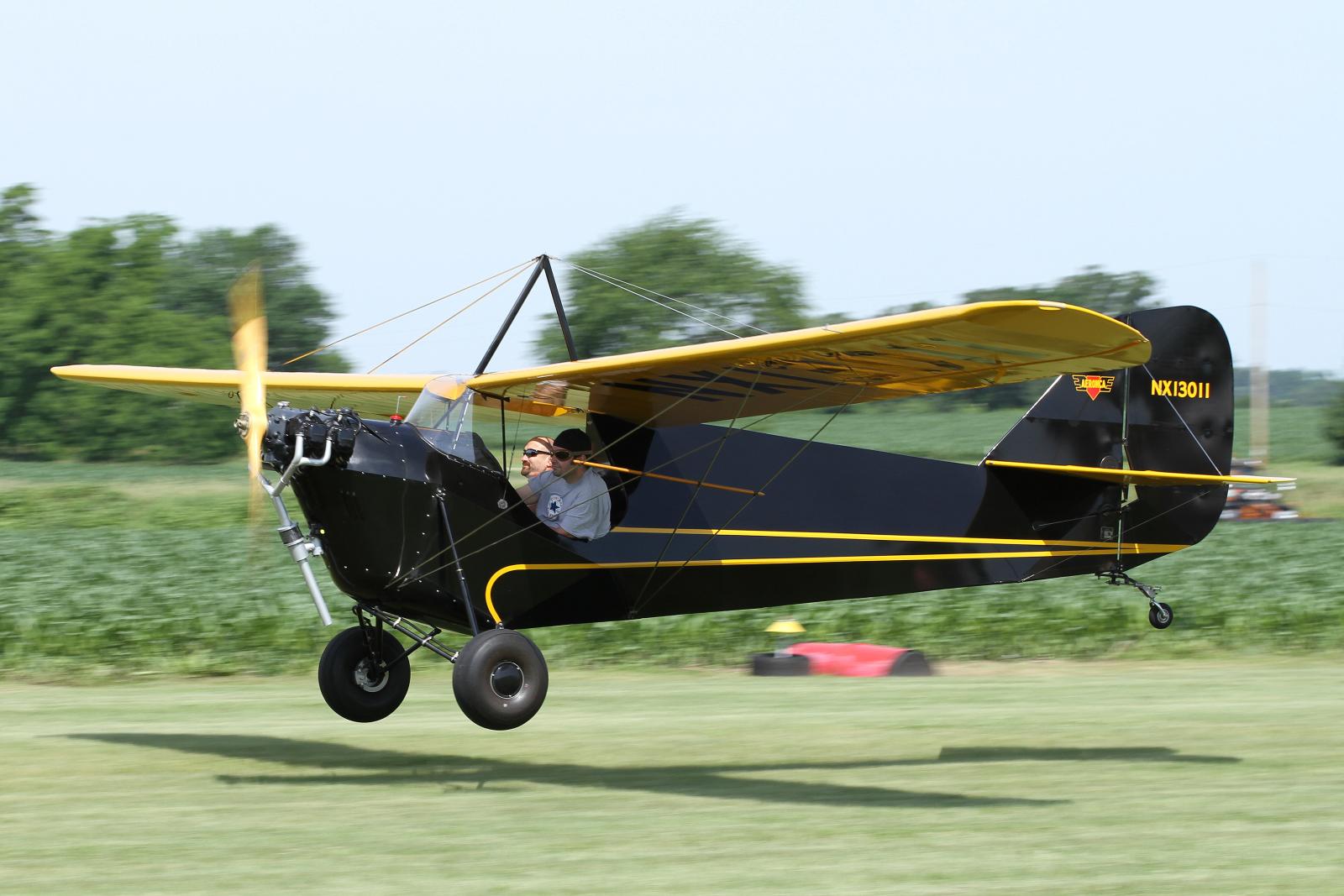
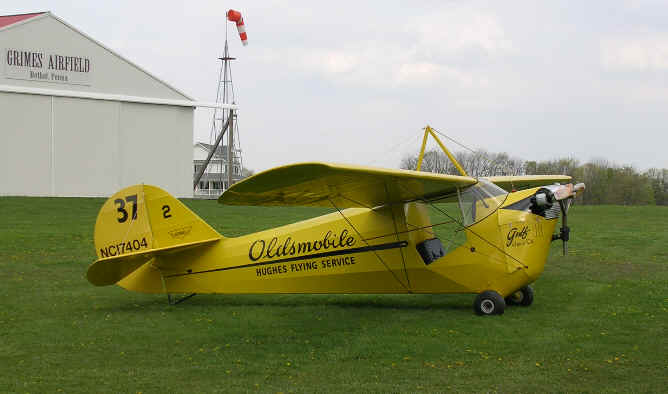
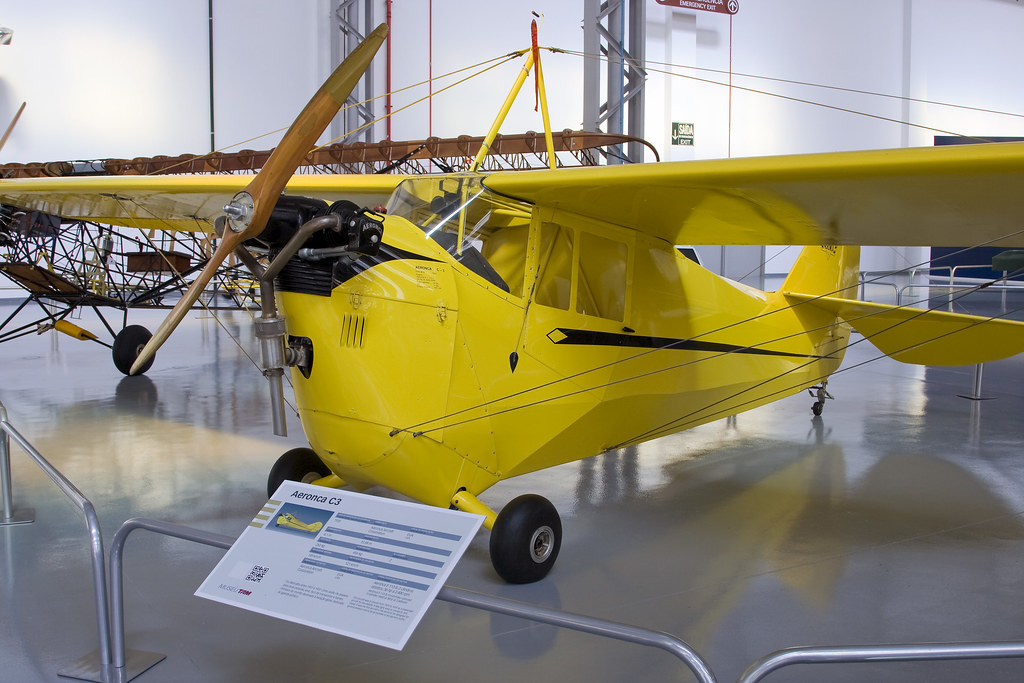
The Aeronca C-3 is a true icon of the Golden Age of Aviation. Often affectionately called the Flying Bathtub or the Airknocker, this aircraft is widely credited with saving general aviation in the United States during the Great Depression. Its design prioritizes absolute simplicity and economy over speed or aesthetics.

Here are its main advantages, divided into design philosophy, general operation, performance, and its historical economy:

1. Design and Durability Advantages

While the Sky Pup is a homebuilt marvel, the Aeronca C-3 was a factory-built tank designed to survive the rigors of flight training in the 1930s.

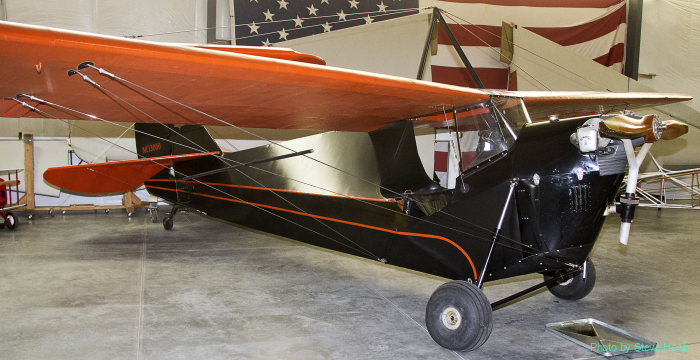
  • Rugged Steel Construction: The fuselage is built from welded steel tubing, creating a safety cage around the pilot and passenger. Unlike delicate wood-only structures, this frame was designed to take the abuse of student pilots and keep on flying.

  • Simplicity of Systems: It lacks flaps, complex hydraulics, or electrical systems. There is simply nothing on this airplane that isn’t absolutely necessary for flight, which means there is almost nothing that can break.

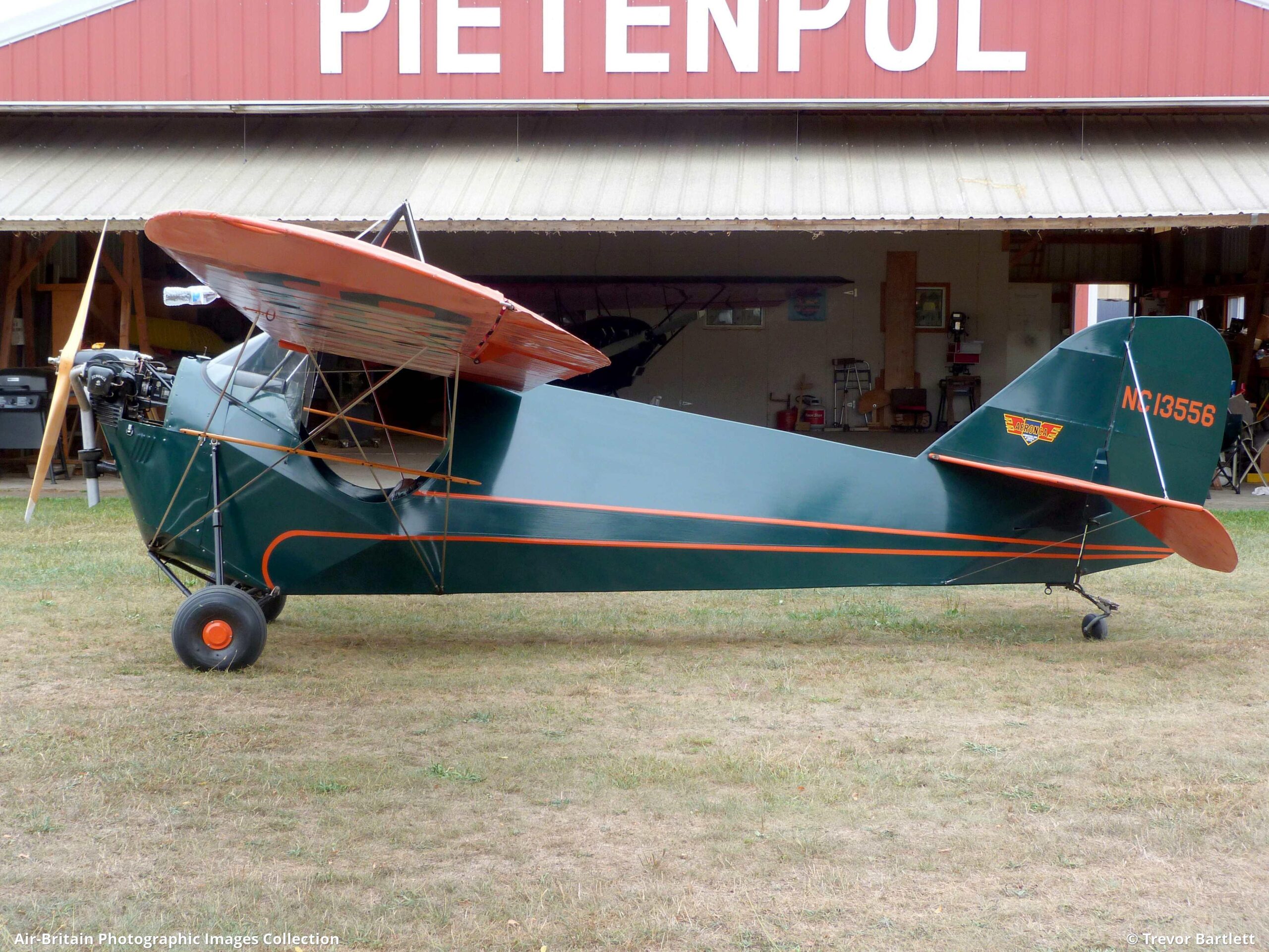
  • External Wire Bracing: The wings are supported by external wires rather than heavy internal spars or rigid struts. This design choice, common in that era, keeps the structure incredibly light yet strong.

2. General and Flight Advantages

In the air, the Aeronca C-3 offers a unique experience that connects you directly with the roots of aviation.

  • Side-by-Side Seating: This was revolutionary for a small trainer. Instead of the tandem (front-and-back) seating of a Piper Cub, the C-3 sits pilot and passenger next to each other. This makes instruction easier and the flight much more social.

  • Unmatched Stability: The aircraft is inherently stable. Its odd, bulbous shape and wing design make it want to fly straight and level. It is a very forgiving airplane that rights itself if the pilot lets go of the controls.

  • The Convertible Experience: Many C-3s fly with the windows open or doors off. Because you sit low in the fuselage (hence the Bathtub nickname), you are protected from the wind while enjoying an unobstructed view of the world passing slowly below.

  • Safety: It is almost impossible to make a C-3 spin unintentionally. Its flight characteristics are so docile that it builds immense confidence in new pilots.

3. The Depression-Era Miracle: Cost and Accessibility

This is the section where the Aeronca C-3 becomes legendary. It was the airplane that proved you didn’t need to be a millionaire to fly.

  • The Ford Model T of the Air: Just as Ford put America on wheels, Aeronca put America in the air. In 1931, it was designed explicitly to be affordable for the common man during the hardest economic times in history.

  • Running on Pocket Change: The operating costs are laughably low. With minimal fuel consumption and a simple engine, the cost per hour of fun is lower than almost any certified aircraft in existence.

  • Minimal Maintenance: The wire-braced wings and steel tube fuselage allow for easy visual inspections. There are no complex oleo struts to leak or retractable gear motors to burn out. It is pure, mechanical honesty.

4. Performance and the “Modern Conversion”: From Classic to STOL Beast

This is where the story changes drastically. While the original 36 HP engine is charming and nostalgic, installing a more modern engine (like a 65 HP Continental A-65) combines historical charm with absurd performance. igors of flight training in the 1930s.

  • Rugged Steel Construction: The fuselage is built from welded steel tubing, creating a safety cage around the pilot and passenger. Unlike delicate wood-only structures, this frame was designed to take the abuse of student pilots and keep on flying.

  • Simplicity of Systems: It lacks flaps, complex hydraulics, or electrical systems. There is simply nothing on this airplane that isn’t absolutely necessary for flight, which means there is almost nothing that can break.

  • External Wire Bracing: The wings are supported by external wires rather than heavy internal spars or rigid struts. This design choice, common in that era, keeps the structure incredibly light yet strong.

2. General and Flight Advantages

In the air, the Aeronca C-3 offers a unique experience that connects you directly with the roots of aviation.

  • Side-by-Side Seating: This was revolutionary for a small trainer. Instead of the tandem (front-and-back) seating of a Piper Cub, the C-3 sits pilot and passenger next to each other. This makes instruction easier and the flight much more social.

  • Unmatched Stability: The aircraft is inherently stable. Its odd, bulbous shape and wing design make it want to fly straight and level. It is a very forgiving airplane that rights itself if the pilot lets go of the controls.

  • The Convertible Experience: Many C-3s fly with the windows open or doors off. Because you sit low in the fuselage (hence the Bathtub nickname), you are protected from the wind while enjoying an unobstructed view of the world passing slowly below.

  • Safety: It is almost impossible to make a C-3 spin unintentionally. Its flight characteristics are so docile that it builds immense confidence in new pilots.

3. The Depression-Era Miracle: Cost and Accessibility

This is the section where the Aeronca C-3 becomes legendary. It was the airplane that proved you didn’t need to be a millionaire to fly.

  • The Ford Model T of the Air: Just as Ford put America on wheels, Aeronca put America in the air. In 1931, it was designed explicitly to be affordable for the common man during the hardest economic times in history.

  • Running on Pocket Change: The operating costs are laughably low. With minimal fuel consumption and a simple engine, the cost per hour of fun is lower than almost any certified aircraft in existence.

  • Minimal Maintenance: The wire-braced wings and steel tube fuselage allow for easy visual inspections. There are no complex oleo struts to leak or retractable gear motors to burn out. It is pure, mechanical honesty.

4. Performance and the “Modern Conversion”: From Classic to STOL Beast

This is where the story changes drastically. While the original 36 HP engine is charming and nostalgic, installing a more modern engine (like a 65 HP Continental A-65) combines historical charm with absurd performance. igors of flight training in the 1930s.

  • Rugged Steel Construction: The fuselage is built from welded steel tubing, creating a safety cage around the pilot and passenger. Unlike delicate wood-only structures, this frame was designed to take the abuse of student pilots and keep on flying.

  • Simplicity of Systems: It lacks flaps, complex hydraulics, or electrical systems. There is simply nothing on this airplane that isn’t absolutely necessary for flight, which means there is almost nothing that can break.

  • External Wire Bracing: The wings are supported by external wires rather than heavy internal spars or rigid struts. This design choice, common in that era, keeps the structure incredibly light yet strong.

2. General and Flight Advantages

In the air, the Aeronca C-3 offers a unique experience that connects you directly with the roots of aviation.

  • Side-by-Side Seating: This was revolutionary for a small trainer. Instead of the tandem (front-and-back) seating of a Piper Cub, the C-3 sits pilot and passenger next to each other. This makes instruction easier and the flight much more social.

  • Unmatched Stability: The aircraft is inherently stable. Its odd, bulbous shape and wing design make it want to fly straight and level. It is a very forgiving airplane that rights itself if the pilot lets go of the controls.

  • The Convertible Experience: Many C-3s fly with the windows open or doors off. Because you sit low in the fuselage (hence the Bathtub nickname), you are protected from the wind while enjoying an unobstructed view of the world passing slowly below.

  • Safety: It is almost impossible to make a C-3 spin unintentionally. Its flight characteristics are so docile that it builds immense confidence in new pilots.

3. The Depression-Era Miracle: Cost and Accessibility

This is the section where the Aeronca C-3 becomes legendary. It was the airplane that proved you didn’t need to be a millionaire to fly.

  • The Ford Model T of the Air: Just as Ford put America on wheels, Aeronca put America in the air. In 1931, it was designed explicitly to be affordable for the common man during the hardest economic times in history.

  • Running on Pocket Change: The operating costs are laughably lo[1]w. With minimal fuel consumption and a simple engine, the cost per hour of fun is lower than almost any certified aircraft in existence.

  • Minimal Maintenance: The wire-braced wings and steel tube fuselage allow for easy visual inspections. There are no complex oleo struts to leak or retractable gear motors to burn out. It is pure, mechanical honesty.

4. Performance and the “Modern Conversion”: From Classic to STOL Beast

This is where the story changes drastically. While the original 36 HP engine is charming and nostalgic, installing a more modern engine (like a 65 HP Continental A-65) combines historical charm with absurd performance.

  • The Legendary 21-Meter Takeoff: The Aeronca C-3 holds a legendary status for a reason: it was famously capable of getting airborne in just 21 meters (70 feet). That is shorter than a basketball court. This “takeoff from a handkerchief” capability is what made it famous.

  • The 65 HP Monster: When you take that 21-meter capability and double the engine power to 65 HP, the aircraft transforms. You don’t just take off short; you practically levitate. The takeoff run remains virtually non-existent, but now it is followed by an explosive climb that the original engine could never achieve.

  • Increased Safety: That excess power combined with the legendary high-lift wing gives you a huge safety margin to operate on high runways, hot days, or to get out of complicated and short terrains that other planes wouldn’t even consider.

Considerations (The other side of the coin)

To be fair, you must also consider that:

  • It is Slow: Even with a big engine, aerodynamic drag is high. You will climb like an elevator, but you will still travel at 100-110 km/h.

  • Ground Handling: Most original C-3s use a tail skid instead of a wheel, which makes taxiing on pavement difficult, although many modern conversions install a tailwheel to solve this.

In summary, the original Aeronca C-3 is a historical jewel with a legendary 21-meter takeoff, but re-engined it becomes one of the most capable and economical fun machines in existence, capable of operating from a backyard with room to spare.

Reviews

There are no reviews yet.

Be the first to review “Aeronca C-3”

Your email address will not be published. Required fields are marked *

Shopping Cart
aeronca c 3Aeronca C-3
Original price was: $300.00.Current price is: $100.00.